
Tony Blair Calls for Britain's EU Rejoining Within Decade
Former PM Tony Blair urges Britain to rejoin the EU within 10 years, intensifying pressure on Labour leadership to reconsider Brexit policy and electoral strategy.
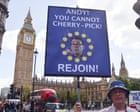
Blair's Vision for Britain's European Future
Tony Blair has made a significant call for Britain to rejoin the EU within the next ten years, marking a notable intervention in ongoing Brexit debates. The former prime minister's statement represents mounting pressure on current Labour leadership, particularly Andy Burnham, to move away from the party's cautious stance regarding the 2016 referendum result.
Blair's latest remarks suggest that Britain rejoin the EU should become a central component of Labour's long-term political agenda. This positioning reflects growing sentiment among senior party figures that a strategic pivot could reshape electoral prospects and public discourse around European integration.
Mounting Pressure on Labour Leadership
Recent polling data indicates that a pledge to work towards Britain rejoin the EU could potentially strengthen Labour's appeal among certain voter demographics. This evidence has intensified internal discussions about whether the party should formally abandon its reluctance to revisit Brexit questions.
Andy Burnham faces increasing expectations from party figures and political strategists to incorporate European reintegration into his comprehensive ten-year development plan, scheduled for unveiling in November. The convergence of Blair's intervention and electoral polling creates a complex political dynamic that cannot be easily dismissed.
The Case for European Reengagement
Proponents of Britain rejoin the EU argue that a decade-long implementation period would provide adequate time for rebuilding relationships and negotiating favorable terms with Brussels. This approach differs markedly from immediate rejoin proposals, offering instead a gradual, strategic framework.
The former prime minister's timing appears deliberate, coinciding with Labour's planning cycles and suggesting a coordinated effort to influence party direction. Blair's continued influence over party thinking demonstrates the enduring power of senior statesmen in shaping contemporary political discourse.
Electoral Considerations and Public Opinion
Polling suggests that British voters increasingly view EU membership discussions differently than during the 2016 campaign. Economic pressures, trade complications, and international standing have shifted public perception regarding European integration.
Labour strategists recognize that positioning the party as open to Britain rejoin the EU could differentiate it from Conservative rivals while appealing to younger voters and urban constituencies that supported Remain in the original referendum. This electoral calculus appears central to current discussions within party leadership.
Strategic Implementation Challenges
Should Labour embrace a formal platform supporting Britain rejoin the EU, the party would face significant implementation challenges. Negotiations with European institutions would require extensive diplomatic effort and favorable political circumstances across multiple European capitals.
The proposed ten-year timeline reflects realistic assessments of the practical difficulties involved in such a monumental policy shift. This phased approach differs from more immediate rejoining proposals, acknowledging the complexity of unraveling and then reconstructing regulatory frameworks.
Political Implications Moving Forward
Blair's intervention signals that Britain rejoin the EU remains a viable topic for serious political discussion, despite years of post-referendum consensus against revisiting the question. His willingness to publicly advocate for this position may embolden other senior figures to express similar views.
The coming months will reveal whether Labour incorporates this recommendation into its official platform or maintains its current cautious stance. This decision will likely influence party positioning ahead of future electoral contests and shape broader debates about Britain's role in Europe.