
Technology Transforms Wildfire Detection While Firefighters Remain Essential
Discover how advanced technology aids wildfire detection and prevention, while trained firefighters continue playing a vital role in combating blazes effectively.
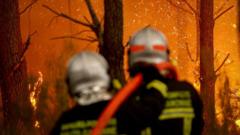
How Technology is Reshaping Wildfire Detection Efforts
The emergence of sophisticated wildfire detection technology has fundamentally transformed how authorities identify and respond to fire threats across vulnerable regions. While innovative systems now monitor landscapes continuously, the indispensable role of trained firefighters remains unchanged in extinguishing these dangerous blazes.
Advanced detection systems utilize satellite imagery, thermal sensors, and artificial intelligence algorithms to identify smoke and heat signatures in real time. These technological innovations have significantly reduced detection time, allowing emergency responders to react faster to emerging threats. However, this enhanced surveillance capability represents only the initial phase of wildfire management.
The Critical Role of Skilled Firefighting Personnel
Despite impressive technological advancements, human firefighters remain irreplaceable in actual fire suppression operations. The complex nature of wildfire dynamics requires experienced personnel who can assess terrain conditions, determine optimal containment strategies, and adapt to rapidly changing environmental factors that automated systems cannot predict or address alone.
Firefighters bring essential skills that technology cannot replicate, including strategic decision-making under extreme pressure, rapid assessment of dangerous conditions, and coordination of ground and aerial operations. Their expertise in reading fire behavior, understanding weather patterns, and implementing effective containment tactics directly impacts community safety and property protection.
Integration of Technology and Human Expertise
The most effective wildfire management approach combines cutting-edge wildfire detection technology with the irreplaceable expertise of professional firefighters. Detection systems provide crucial early warnings, enabling rapid deployment of personnel to threatened areas before fires expand uncontrollably. This synergy between human judgment and technological capability creates a comprehensive defense strategy.
Satellite systems and ground-based sensors now feed real-time data to command centers where firefighters analyze information and coordinate response efforts. Thermal imaging technology assists personnel in locating fire perimeters at night, while predictive algorithms help forecast fire spread patterns based on fuel conditions and weather forecasts.
Current Limitations of Automated Wildfire Systems
While advanced fire monitoring systems excel at detection, they possess significant limitations in operational response. Autonomous systems cannot navigate rugged terrain, operate heavy equipment, rescue stranded civilians, or make tactical decisions requiring ethical judgment. The unpredictability of wildfire behavior demands human adaptability and problem-solving capabilities that remain beyond artificial intelligence capabilities.
Equipment operation, from water distribution to access road creation, requires skilled operators with years of training. Firefighters must evaluate real-time conditions and make split-second decisions that affect lives and property—responsibilities that demand human consciousness and contextual understanding.
The Future of Integrated Wildfire Response Systems
Industry experts anticipate continued evolution in how wildfire prevention technology and human firefighting forces collaborate. Future developments will likely focus on enhancing data sharing between detection systems and firefighting teams, improving equipment technology, and providing personnel with better tools for dangerous suppression work.
Investment in both technological infrastructure and firefighter training remains essential for effective wildfire management. Communities benefit most when resources support both innovation in detection systems and adequate funding for professional firefighting organizations that maintain expertise through continuous training and proper staffing levels.
Conclusion: Complementary Forces in Fire Management
The question of whether technology can replace firefighters in emergency response firefighting operations has a clear answer: no. Rather than replacement, the relationship is complementary. Technology enhances firefighters' capabilities by providing superior situational awareness, while trained personnel provide the tactical expertise and physical presence necessary for actual fire suppression. This integrated approach offers the most effective protection against the growing wildfire threat facing communities worldwide.