
Starmer Opens Up About 'Deeply Personal' Choice to Step Down as PM
Starmer discusses his intensely personal decision to resign as Prime Minister in candid BBC interview, warning Burnham about political consequences.
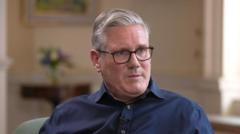
Starmer's Candid Revelation on Resignation Decision
In a remarkably forthcoming conversation with the BBC, the departing Prime Minister has shared intimate details about his Starmer resignation interview, describing the choice to leave office as profoundly challenging. The outgoing leader revealed that accepting the conclusion of his political career presented an exceptionally difficult emotional and professional hurdle to overcome.
During this exclusive engagement, the former PM reflected on the gravity of stepping away from the nation's top office. The conversation marked a significant departure from typical political communications, offering viewers and listeners an unusual glimpse into the personal dimensions of high-level political decision-making.
The Weight of Walking Away
The departing leader emphasized the emotional toll of recognizing that his time at the helm had reached its conclusion. In his own words, accepting this reality proved to be genuinely arduous, illustrating the personal stakes involved when senior politicians navigate their careers' pivotal moments. The Prime Minister acknowledged that few individuals understand the particular pressures associated with relinquishing such a prominent position.
This candid disclosure came across as unusually vulnerable for a sitting or recently departing head of government. Most political figures maintain carefully controlled public personas, making such openness relatively rare in contemporary political discourse. The willingness to articulate personal struggles demonstrated a refreshing authenticity that resonated throughout the interview.
Warnings and Forward-Looking Statements
Beyond discussing his own circumstances, the departing leader also extended cautionary remarks toward other prominent political figures, particularly addressing observations about potential successors and their readiness for executive responsibility. These comments carried implicit suggestions about the challenges awaiting those considering leadership positions in the current political climate.
The interview touched upon broader implications for the Labour Party and the wider political landscape. The departing PM's perspective on his journey offered context for understanding the pressures facing contemporary British politics and the personal costs associated with senior government positions. His reflections carried weight precisely because they came from someone who had navigated these challenges firsthand.
Political Leadership in Uncertain Times
The conversation illuminated how individuals at the highest levels of government experience their roles differently than the public might perceive. Behind closed doors and away from public scrutiny, senior political leaders grapple with profoundly personal questions about legacy, impact, and the appropriate moment for transition. The departing PM's willingness to discuss these dimensions provided valuable insight into the human element of political leadership.
Such candid exchanges between departing leaders and major media outlets serve important functions within democratic societies. They allow the public to understand the reasoning behind significant political decisions while humanizing figures who often appear distant or politically calculated. The BBC interview accomplished exactly this objective, presenting the departing leader as a multidimensional person rather than simply a political entity.
Broader Implications for Future Leadership
The timing of this interview, occurring shortly after the departure announcement, positioned the outgoing PM to shape the narrative surrounding his exit on his own terms. Rather than allowing speculation to dominate subsequent discussion, he chose to directly address the emotional and professional dimensions of his decision-making process. This approach reflected understanding about how media narratives develop and the importance of contributing one's own voice to the record.
The departing leader's observations about accepting the end of his political career highlighted a universal human experience—the difficulty of acknowledging limits and transitions, particularly when they involve high-stakes professional responsibilities. Few occupations demand as much personal investment and carry such significant consequences as the office of Prime Minister, making the emotional weight of departure understandable to broad audiences.