
Shipping Traffic Plummets on Hormuz Route Following Recent Attacks
Oil tankers and cargo vessels avoid US-backed Hormuz waterway after new strikes. Shipping data reveals significant decline in maritime traffic through critical channel.
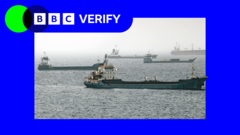
Hormuz Shipping Route Experiences Sharp Traffic Decline
The Hormuz shipping route, a critical US-backed maritime corridor, has seen a dramatic decrease in vessel transits following fresh attacks on commercial shipping this week. Data compiled from maritime monitoring services indicates a substantial pullback in traffic through the strategically vital waterway, with particular concerns from operators of oil and gas carriers navigating the increasingly volatile waters.
The decline in Hormuz shipping route activity reflects growing caution among shipping companies and vessel owners who face mounting security risks. Multiple attacks targeting international commercial shipping have prompted reassessments of route viability, leading operators to pursue alternative pathways despite longer transit times and increased operational costs.
Impact on Energy Markets and Global Trade
The reduction in vessel movements through the Hormuz waterway carries significant implications for global energy security and international commerce. Oil tankers and liquefied natural gas carriers, which traditionally represent a substantial portion of traffic through this chokepoint, have notably decreased their transits in recent days.
Industry analysts emphasize that the Hormuz shipping route remains one of the world's most critical maritime passages, with ordinary circumstances seeing thousands of vessel movements annually. The current traffic disruptions underscore vulnerabilities in global supply chains and the precarious nature of maritime commerce in geopolitically sensitive regions.
Security Concerns Reshape Shipping Decisions
Shipping companies operating in the Persian Gulf region face unprecedented challenges in balancing operational efficiency with crew safety and vessel security. The recent strikes on commercial vessels have prompted extensive risk assessments, with many operators choosing to reroute shipments despite substantial added expenses.
Alternative maritime corridors, though longer and costlier, are being considered by shipping firms seeking to minimize exposure to ongoing threats. This strategic shift reflects the broader maritime industry's response to instability affecting the Hormuz shipping route and surrounding waters.
Historical Significance of Hormuz Waterway
The Hormuz Strait has long served as an essential passage for international maritime commerce, with approximately one-fifth of global seaborne oil transiting through its waters annually under normal circumstances. The current situation highlights how regional tensions can rapidly cascade into disruptions affecting world energy markets and supply chain stability.
US military presence in the region, traditionally designed to ensure freedom of navigation through the Hormuz shipping route, faces renewed questions regarding its effectiveness in preventing escalating maritime incidents. Naval operations and escort services have been proposed as measures to restore confidence among commercial operators.
Vessel Operators Reassess Risk Factors
Shipping companies managing fleets of oil tankers, cargo vessels, and specialized carriers must now incorporate heightened risk premiums into operational planning when considering transit through the Hormuz shipping route. Insurance costs, crew compensation, and additional security measures represent escalating financial burdens that operators pass along supply chains.
The data revealing decreased traffic patterns represents a tangible economic consequence of maritime insecurity, affecting not only shipping companies but also producers and consumers dependent on reliable energy supply flows. Industry stakeholders await clearer security assurances before resuming normal operational patterns through this critical waterway.