
Severe Thunderstorms Cause Major Flight Delays at UK's Busiest Airports
Over 900 flights delayed at Heathrow and Gatwick due to severe thunderstorms affecting southern UK. Real-time travel updates and passenger guidance.
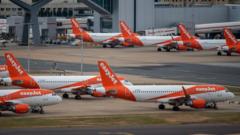
Widespread Flight Disruptions at Major UK Airports
Severe thunderstorms have triggered unprecedented operational challenges across the United Kingdom's most critical aviation hubs. Flight delays thunderstorms have impacted over 900 scheduled services at Heathrow and Gatwick airports, as intense weather systems moved across southern regions of the country. This significant disruption represents one of the most substantial weather-related incidents to affect these major transport facilities in recent weeks.
Scale of Travel Disruption
The meteorological conditions swept through the greater London area and surrounding counties during peak travel periods, leaving thousands of passengers scrambling to reschedule their journeys. Heathrow Airport, Europe's busiest aviation center, experienced cascading delays that rippled across its entire flight network. Gatwick Airport, serving as the UK's second-largest international aviation hub, reported similarly severe operational challenges as ground crews worked to clear runways and prepare aircraft for departure.
Airlines operating from both airports implemented ground stops and extended taxiing procedures to maintain safety protocols during the turbulent weather conditions. Ground handling teams faced considerable pressure managing the volume of incoming and outgoing aircraft while meteorological services monitored storm trajectories in real-time.
Weather Conditions and Their Impact
The thunderstorms developed over southern UK regions, bringing heavy rainfall, gusty winds, and lightning activity that required temporary flight suspension procedures. Visibility measurements dropped significantly, prompting stricter spacing protocols between departing aircraft. Runway surface water accumulation necessitated enhanced drainage management and extended inspection intervals between flight movements.
Aviation meteorologists indicated that atmospheric instability created conditions conducive to rapid storm system development. Pressure systems and moisture convergence combined to produce the severe weather event affecting both passenger and cargo operations. The intensity and duration of these conditions exceeded routine weather management protocols typically employed during seasonal weather patterns.
Passenger Impact and Airport Response
Thousands of travelers faced extended waiting periods, flight rebookings, and accommodation challenges as airlines worked to clear the backlog. Both airport authorities activated emergency response procedures and coordination centers to manage passenger flow and provide updated travel information. Customer service representatives from multiple carriers remained on duty to assist affected passengers with rebooking options and compensation inquiries.
Heathrow and Gatwick issued successive travel advisories recommending that passengers contact airlines before arriving at terminals. The airports activated contingency protocols, increased staffing in customer service areas, and coordinated with ground transportation providers to manage airport access during peak periods.
Operational Recovery Timeline
As meteorological conditions began moderating during evening hours, both airports gradually increased flight frequencies to address the accumulated backlog. Recovery operations extended into night schedules as airlines prioritized flights that had been postponed during peak disruption periods. However, residual delays persisted throughout subsequent operational windows as the impact of earlier disruptions continued affecting flight scheduling.
Airport officials noted that weather-related disruptions of this magnitude required coordinated efforts across multiple operational departments and external stakeholders. Baggage handling systems, catering services, and aircraft maintenance facilities all required careful coordination to resume normal operations while maintaining safety standards.
Future Considerations and Preparedness
The incident underscores the vulnerability of major aviation facilities to severe weather events and highlights the importance of advanced meteorological forecasting and emergency response protocols. Both Heathrow and Gatwick continue evaluating their procedures for managing weather-related disruptions and are examining infrastructure improvements that could enhance resilience during similar future events.
Aviation authorities emphasize that passenger safety remains the paramount consideration in all operational decision-making during adverse weather conditions, and flights are only resumed when meteorological and runway conditions meet established safety parameters.