
Romania Closes Nuclear Reactor Due to Danube River Water Shortage
Romania temporarily shuts down its only nuclear plant as extreme heat causes the Danube River water level to plummet, affecting electricity production.
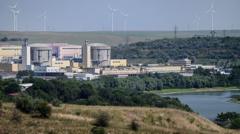
Romania's Nuclear Facility Faces Extended Shutdown Over Danube River Water Level Crisis
Eastern Europe is grappling with a significant energy challenge as Danube River water level concerns force the temporary closure of Romania's sole nuclear power generation facility. The Cernavodă plant, responsible for supplying approximately one-fifth of the nation's electricity requirements, has been taken offline due to insufficient water availability for cooling operations during the region's intense heat spell.
Understanding the Cernavodă Nuclear Complex
The Cernavodă nuclear installation represents a critical infrastructure asset for Romania's energy independence. By producing 20% of Romania's electricity supply, this facility has traditionally served as a backbone for the country's power grid stability. The plant's reliance on cooling water from the Danube River, one of Europe's most important waterways, has made it vulnerable to periods of low water availability caused by drought conditions and exceptionally high temperatures across the continent.
Impact of Declining Water Levels on Danube River Operations
The Danube River water level has reached critically low thresholds, preventing the nuclear facility from safely extracting sufficient water for thermal cooling processes. Nuclear power plants require enormous quantities of water to dissipate heat generated during electricity production. When Danube River water level drops significantly, operators must implement precautionary measures to ensure environmental compliance and prevent unsafe operating conditions. This shutdown represents an essential safety protocol rather than a regulatory violation.
Heat Wave and European Water Stress
Europe's ongoing heat wave has intensified water stress across the continent, affecting not only Romania but numerous countries dependent on major river systems. The exceptional temperatures have accelerated evaporation rates from the Danube and its tributaries, compounding the already reduced water availability during summer months. Climate patterns indicate that such extreme conditions may become increasingly frequent, requiring energy infrastructure to adapt to evolving environmental realities.
Timeline for Nuclear Reactor Restoration
Authorities have announced that the Cernavodă facility is not anticipated to resume operations within the immediate 10-day window. The restart timeline depends primarily on environmental conditions, specifically improvements in Danube River water level that would restore adequate cooling water availability. Technical teams continuously monitor water conditions and maintain preparedness for rapid resumption once safety parameters are satisfied.
Broader Implications for Romania's Energy Sector
This temporary shutdown underscores the interconnection between climate patterns, natural resources, and energy security. Romania faces increased pressure to compensate for the lost nuclear generation through alternative sources, whether renewable energy, fossil fuels, or imports. The incident highlights vulnerabilities in energy systems that depend on environmental factors beyond operational control.
Looking Forward: Adaptation and Resilience
Energy infrastructure planners across Europe are reassessing strategies for climate resilience. Advanced cooling technologies, improved water management systems, and diversified energy portfolios represent potential solutions to prevent future disruptions. Romania's experience serves as a crucial case study for developing more adaptable nuclear facilities capable of functioning effectively under variable environmental conditions. The Cernavodă situation demonstrates the need for comprehensive approaches to energy security that account for changing climate realities.