
Port of Rotterdam Faces Legal Pressure to Cut Fossil Fuel Dependence
Legal action intensifies against Rotterdam Port over slow transition to green energy. Discover the pressure mounting on Europe's largest port to abandon fossil fuels.
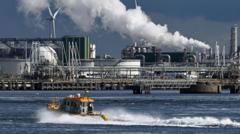
Legal Challenge Targets Port of Rotterdam Green Transition
The Port of Rotterdam green transition has become the focal point of a significant legal battle, as environmental advocates push Europe's largest maritime hub to accelerate its shift away from petroleum-based operations. A formal lawsuit now demands that the facility reduce its reliance on fossil fuel companies and implement more aggressive sustainability measures within a concrete timeframe.
This legal action represents a watershed moment for the continent's shipping infrastructure, signaling growing intolerance for incremental environmental progress at major transport hubs. The Port of Rotterdam, which serves as a critical gateway for European trade, has historically maintained deep commercial relationships with energy corporations, making this transition particularly complex from a business perspective.
Scale and Significance of Rotterdam's Operations
As Europe's busiest container and general cargo port, Rotterdam processes millions of tons of cargo annually and generates substantial economic activity across the region. However, its substantial carbon footprint has attracted mounting scrutiny from environmental organizations, climate-focused investors, and regulatory bodies committed to achieving net-zero emissions targets by mid-century.
The port's current operations involve extensive fossil fuel handling, refining infrastructure, and petrochemical activities that collectively represent a major source of greenhouse gas emissions. While the facility has initiated various sustainability projects in recent years, critics argue these efforts remain insufficient to meet the urgency of climate science and international environmental commitments.
Environmental Advocacy and Legal Grounds
The lawsuit builds on growing European precedent where courts have intervened to compel greater climate action from major institutions and infrastructure operators. Environmental organizations filing this legal challenge contend that the Port of Rotterdam green transition strategy lacks adequate binding commitments and measurable reduction targets for carbon emissions.
Plaintiffs argue that the port's continued expansion of fossil fuel-related operations contradicts established climate goals and violates environmental protection principles enshrined in European law. The legal framework increasingly recognizes climate action as a fundamental obligation for public and quasi-public entities managing critical infrastructure.
Business and Economic Implications
The Port of Rotterdam faces a complex balancing act between maintaining competitive advantage and meeting environmental expectations. The facility generates substantial revenue through petrochemical handling and energy sector logistics, creating financial interdependencies that complicate rapid transition strategies.
Nevertheless, energy industry dynamics are shifting dramatically. Renewable energy sectors, sustainable shipping fuels, and green hydrogen production represent emerging business opportunities where ports can develop competitive advantages. The Port of Rotterdam green transition could position the facility as a leader in sustainable maritime logistics rather than viewing environmental compliance as merely a cost burden.
Regulatory Context and Timeline Pressures
European Union directives increasingly mandate stricter emissions controls across transportation sectors. The Port of Rotterdam must navigate these regulatory requirements while addressing shareholder concerns and workforce considerations among the thousands employed in traditional energy-related operations.
The lawsuit's timeline demands may force more rapid decision-making than the port's management previously anticipated. European courts have increasingly demonstrated willingness to impose specific performance requirements on major institutions failing to meet climate obligations, suggesting that this legal challenge carries genuine enforcement potential.
Future Pathway and Solutions
Industry experts suggest that successful transition strategies must encompass several elements: investment in renewable energy infrastructure, development of sustainable shipping fuel facilities, modernization of cargo handling equipment, and strategic partnerships with clean technology providers. The Port of Rotterdam green transition cannot succeed through minimal adjustments alone.
Many maritime experts view this challenge as representative of broader pressures facing European ports. Similar legal and regulatory challenges may emerge at other major facilities, creating competitive incentives for early sustainability adoption. Ports that proactively implement comprehensive environmental improvements may attract clients and investors prioritizing sustainable logistics operations.
Stakeholder Perspectives
The Port of Rotterdam green transition involves competing interests requiring careful stakeholder engagement. Workers in fossil fuel-related sectors require transition support and retraining opportunities. Environmental organizations demand genuine emissions reductions rather than public relations gestures. Corporate clients seek reliable operations compatible with their own sustainability objectives.
Port management must develop strategies addressing these diverse concerns while maintaining economic viability. International shipping companies increasingly commit to decarbonization targets, potentially creating market demand for ports offering genuinely sustainable operations and green logistics capabilities.
The outcome of this lawsuit will likely influence environmental compliance expectations across European port infrastructure. The Port of Rotterdam green transition represents a crucial case study determining whether major maritime facilities can successfully reposition themselves as leaders in sustainable transportation infrastructure during the critical decade for global climate action.