
Poland Braces for Russian Threats: PM Tusk Warns of Critical Months Ahead
Polish PM Donald Tusk warns of critical months as Poland prepares for various scenarios amid Russian threats and security concerns.
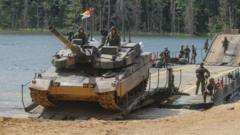
Poland Faces Strategic Challenges Amid Russian Threat Escalation
The Polish Prime Minister has issued a significant warning regarding the nation's security outlook, emphasizing that the country faces critical months ahead as it confronts escalating Russian threats. Poland's leadership is actively preparing contingency measures across multiple strategic scenarios, according to recent statements from government officials.
PM Tusk's Security Assessment
Donald Tusk, serving as Poland's Prime Minister, has underscored the gravity of the current geopolitical situation affecting the nation. Following recent media reports suggesting potential Russian military operations, Tusk has stressed that Polish authorities are taking comprehensive steps to safeguard national interests and ensure preparedness across various possible developments.
The Prime Minister's warnings reflect growing concerns about regional stability and the need for heightened vigilance among NATO allies in Eastern Europe. Tusk's statements emphasize Poland's commitment to maintaining robust defensive capabilities while strengthening diplomatic and military coordination with international partners.
Comprehensive Preparation Strategy
Poland is implementing multifaceted preparations to address potential security challenges. These measures encompass military readiness enhancements, civil defense protocols, and strategic planning across numerous contingency scenarios. Government officials have indicated that the nation's defense apparatus is undergoing systematic reviews to ensure optimal response capabilities.
The focus on "various scenarios" demonstrates Poland's recognition that security threats may manifest in different forms, requiring flexible and comprehensive response mechanisms. This approach includes coordination with NATO partners and reinforcement of border security measures.
Regional Security Context
Poland's heightened alert status occurs within a broader context of tensions affecting Eastern Europe. As a NATO member state sharing borders with regions of significant geopolitical concern, Poland maintains a critical position in European security architecture. The nation's strategic location necessitates constant vigilance and proactive security planning.
Official channels have emphasized that Poland's preparations are defensive in nature, aimed at protecting citizens and maintaining territorial integrity. The government's transparent communication about potential risks reflects commitment to public awareness and national readiness.
International Cooperation and Alliance Strengthening
Poland continues strengthening defense partnerships within the NATO framework while engaging in bilateral security discussions with allied nations. These diplomatic and military channels facilitate information sharing and coordinated response strategies against emerging threats.
The Polish government's proactive stance demonstrates resolve in facing contemporary security challenges while maintaining commitment to international law and multilateral cooperation. Government officials have reiterated that Poland's actions are proportionate responses to legitimate security concerns.
Timeline and Critical Period
The characterization of the coming months as "critical" underscores the urgency government officials assign to current security assessments. This timeline reflects intelligence evaluations and strategic analysis conducted by Polish defense and security agencies.
Citizens and international observers should understand that Polish government warnings serve important functions in maintaining public awareness and ensuring institutional preparedness. The nation's leadership continues monitoring developments closely and adjusting response strategies accordingly.
Poland's security situation remains dynamic, with government officials maintaining regular communication regarding status updates and necessary measures. The coming period will likely see continued emphasis on defensive readiness, alliance coordination, and diplomatic engagement to address regional security challenges effectively.