
Nobby Stiles: Brain Damage from Football Heading
Coroner rules England World Cup winner Nobby Stiles died from brain condition caused by repeatedly heading a football during his career.
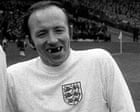
Coroner Rules on Nobby Stiles Brain Condition
A formal inquest has determined that legendary England footballer Nobby Stiles died with a brain condition directly linked to the repeated heading of footballs throughout his career. The 1966 World Cup winner's nobby stiles brain condition was confirmed as the underlying cause of death, marking a significant moment in the ongoing discussion about long-term health risks associated with professional football.
Stiles passed away in October 2020, yet authorities failed to report his death to the coroner's office at the time. This administrative oversight delayed the formal investigation into the circumstances surrounding his passing for several years before the coroner's court finally examined the evidence and reached its conclusion about the neurological damage that contributed to his death.
A Football Legend's Playing Career
The Manchester United midfielder earned his place in football history as a key member of Sir Alf Ramsey's triumphant 1966 England squad. His teammate Geoff Hurst famously described Stiles as the "heart and soul" of that World Cup-winning team, highlighting his crucial contributions to one of English football's greatest achievements.
Known for his tenacious approach and hard-tackling style, Stiles was a midfielder who embodied the competitive spirit of his era. During the 1960s and beyond, heading the ball was a fundamental skill required of defenders and midfielders alike, with limited awareness of potential long-term consequences to brain health.
Understanding the Health Impact
The coroner's ruling adds substantial weight to growing scientific evidence about the dangers of repeated head contact in football. Over decades of professional play, players like Stiles accumulated thousands of headers throughout their careers, from competitive matches, training sessions, and practice drills.
Research into nobby stiles brain condition and similar cases has illuminated the connection between repetitive heading and degenerative neurological conditions. Medical experts have increasingly documented cases where former footballers developed symptoms consistent with chronic brain damage, though establishing direct causation in individual cases requires careful forensic investigation.
The Delayed Investigation Process
One particularly concerning aspect of this case involves the initial failure to report Stiles' death through proper channels. When someone passes away, standard procedures typically involve notification to relevant authorities, including the coroner's office when circumstances warrant investigation.
In this instance, several years elapsed before the coroner's court conducted a formal examination of the evidence surrounding Stiles' death. This delay meant that questions about his health deterioration and the root causes remained unanswered for an extended period, highlighting potential gaps in death reporting protocols.
Implications for Football and Player Health
The coroner's determination regarding Stiles' condition carries broader implications for professional football and player welfare. As awareness grows about the risks of repeated heading, discussions within the sport have intensified regarding appropriate precautions and modifications to training methods.
Youth football organizations in various countries have begun implementing guidelines to limit heading in younger age groups, with the rationale that protecting developing brains may reduce long-term health risks. The case of this World Cup winner serves as a sobering reminder of the potential consequences that can emerge years or decades after a playing career concludes.
Legacy and Recognition
Despite the tragic circumstances of his final years, Stiles remains celebrated as a pivotal figure in English football history. His contributions to the 1966 World Cup victory secured his place among the nation's sporting legends, and his name remains synonymous with that triumphant era.
The coroner's findings ensure that the connection between his football career and ultimate health decline is now officially documented, providing clarity for his family and contributing to the historical record of the health challenges some former professional players have faced.