
Neurodivergent Festival Guide: Recharge Spaces for Comfort
Learn how neurodivergent individuals can navigate festivals with calm spaces, sensory aids, and practical strategies for managing overwhelming environments.
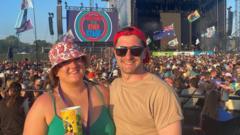
Navigating Festivals with Neurodivergent Needs
Attending a neurodivergent festival experience requires thoughtful planning and environmental support. Festival environments present unique challenges for neurodivergent attendees, combining loud music, crowded spaces, unpredictable sensory stimuli, and long durations of social interaction. Understanding these obstacles and identifying practical solutions enables neurodivergent individuals to enjoy events while protecting their mental and sensory wellbeing.
Current Festival Accommodations
Progressive event organizers have begun implementing dedicated facilities designed specifically for neurodivergent guests. Calm spaces represent one of the most valuable accommodations, offering quiet zones where attendees can retreat when sensory overload becomes overwhelming. These specialized areas typically feature reduced lighting, comfortable seating, and minimal background noise, creating sanctuaries within the bustling festival environment.
Noise-cancelling headphones have emerged as another practical solution gaining traction across festivals. These devices allow neurodivergent attendees to regulate audio levels, enjoying performances while maintaining personal sensory thresholds. Some forward-thinking events now provide complimentary headphones at entry points or include them in accessibility packages, recognizing their importance for participants with auditory sensitivities.
Why Current Measures Fall Short
Despite these advances, accessibility advocates argue that existing accommodations remain insufficient. Calm spaces, while beneficial, often lack adequate staffing, clear signage, or sufficient capacity to serve all neurodivergent attendees. Additionally, the stigma surrounding visible use of sensory aids discourages some individuals from utilizing available resources, fearing social judgment or drawing unwanted attention.
The broader festival experience demands expansion beyond isolated quiet zones. Comprehensive accessibility requires integration throughout event design, including staggered entry times to reduce crowding, clear communication schedules beforehand, accessible bathroom facilities, and trained staff educated in neurodiversity awareness. Many festivals currently overlook these systemic improvements, focusing narrowly on reactive accommodations rather than proactive accessibility planning.
Strategies for Personal Preparation
Neurodivergent festival attendees benefit from developing personalized coping strategies. Advance planning proves crucial: research venue layouts, identify calm space locations, and schedule specific performance times to manage energy expenditure. Creating a structured timeline prevents decision fatigue and allows for intentional break periods throughout the day.
Sensory preparation techniques enhance festival enjoyment significantly. Wearing comfortable clothing, bringing fidget tools, and packing comfort items like weighted blankets or familiar snacks support sustained participation. Many neurodivergent individuals find success establishing buddy systems with understanding companions who respect their boundaries and notice early signs of sensory overwhelm.
Technology and Sensory Solutions
Innovative technological solutions increasingly support neurodivergent festival experiences. Mobile applications now offer real-time crowd density information, allowing attendees to time venue visits strategically. Some events have introduced fidget stations and sensory-friendly performance times featuring adjusted lighting and reduced sound levels.
Wearable technology also contributes to personalized sensory management. Devices tracking stress levels or providing subtle vibration alerts enable proactive break-taking before reaching crisis points. Smart noise-cancelling technology adapts automatically to environmental changes, maintaining optimal auditory comfort without manual adjustment.
Industry Standards and Future Directions
Progressive venues increasingly recognize accessibility investment as fundamental rather than supplementary. Festival organizers implementing comprehensive neurodivergent accommodations report enhanced attendee satisfaction across all populations. Universal design principles benefit everyone: clearer signage aids those unfamiliar with venues, quiet spaces appeal to parents with young children, and sensory-friendly performances attract aging populations with hearing sensitivities.
Advocacy organizations continue pushing for industry-wide standards establishing minimum accessibility requirements. Proposed guidelines include mandatory calm spaces, trained accessibility staff, pre-event communication materials, and post-event feedback mechanisms. Some regions have begun implementing regulatory frameworks requiring documented accessibility planning for all major events.
Creating Inclusive Festival Experiences
True accessibility demands cultural shift within festival communities. Normalizing accommodation use, celebrating neurodiversity openly, and removing shame surrounding sensory needs fosters genuinely inclusive environments. Festivals recognizing neurodivergent attendees as valued participants invest accordingly, resulting in transformative experiences that honor individual differences.
The neurodivergent festival landscape continues evolving as awareness grows and best practices emerge. By combining organizational commitment with individual preparation strategies, festivals can become welcoming spaces where neurodivergent individuals thrive rather than merely survive, fully participating in celebrations while maintaining personal wellbeing and sensory comfort.