
Netanyahu Dismisses Trump's 15-Point Gaza Initiative But Talks May Continue
Netanyahu rejects Trump's 15-point Gaza plan amid election pressures. The Trump administration remains unfazed, viewing the rejection as political posturing. Analysis of ongoing negotiations.
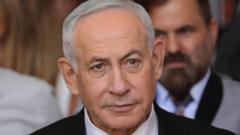
Netanyahu's Response to Trump's Gaza Initiative
The Israeli prime minister's rejection of Trump's 15-point Gaza plan does not necessarily represent the final stance on the proposed framework, according to sources familiar with diplomatic discussions. Netanyahu's pushback on the Trump's Gaza plan comes at a politically sensitive moment as Israel prepares for general elections, a timing that observers suggest may influence his public statements.
The comprehensive 15-point proposal emerged from the Trump administration as a potential pathway toward resolving the protracted Gaza conflict. However, Netanyahu's public dismissal of certain components has raised questions about the agreement's viability and the possibility of future negotiations.
Trump Administration's Measured Response
Senior officials within the Trump administration have reportedly adopted a notably relaxed posture regarding Netanyahu's rejection. Rather than viewing the Israeli leader's objections as a definitive dealbreaker, administration insiders characterize the response as strategically timed political messaging. The Trump's Gaza plan, despite its public rejection, continues to be discussed within diplomatic channels.
The administration's patience suggests confidence that negotiations over the 15-point framework could resume once domestic political pressures ease. This measured approach reflects a broader understanding that campaign rhetoric often diverges from eventual policy decisions, particularly during election cycles.
Election Season as Context for Netanyahu's Position
Netanyahu faces pressure from multiple political factions within Israel, each with distinct priorities regarding Gaza's future governance and security arrangements. The upcoming general election intensifies these internal disputes, compelling the prime minister to adopt positions that appeal to his political base while maintaining diplomatic options.
The timing of Netanyahu's rejection of Trump's Gaza plan coincides with intensified campaign activities. Political analysts note that such positioning allows the Israeli leader to demonstrate strength to right-wing coalition partners while preserving flexibility for later negotiations. This delicate balancing act is neither uncommon nor necessarily indicative of irreversible positions.
Diplomatic Channels Remain Open
Despite the public rhetoric, multiple sources indicate that informal communications between Israeli officials and Trump administration representatives continue. The Trump's Gaza plan, though formally rejected by Netanyahu, has not been officially withdrawn or abandoned by Washington policymakers.
These ongoing discussions suggest that the framework may undergo modifications to address Israeli concerns. Potential revisions could center on security guarantees, border control mechanisms, or Palestinian governance structures outlined in the original 15-point proposal.
Broader Implications for Peace Negotiations
The current impasse reflects longstanding complexities in Middle Eastern peacemaking efforts. Netanyahu's handling of Trump's Gaza plan demonstrates how domestic political considerations intersect with international diplomacy. The Israeli leader's need to maintain coalition stability while managing international relations creates inherent tensions.
The Trump administration's response indicates willingness to engage in prolonged negotiations rather than abandoning the process following initial rejection. This persistence contrasts with previous diplomatic initiatives that collapsed after preliminary disagreements.
Future Trajectory of Negotiations
Observers expect that post-election circumstances may create new opportunities for resuming discussions about Trump's Gaza plan. Once domestic political pressures diminish, negotiators may find increased flexibility on both sides. The 15-point framework could serve as a foundation for modified proposals addressing concerns raised by Netanyahu and other regional stakeholders.
International pressure and humanitarian considerations in Gaza may also accelerate movement toward negotiation resumption. The Trump administration appears committed to maintaining diplomatic engagement despite current setbacks, suggesting that Netanyahu's public rejection need not signal the end of substantive discussions regarding comprehensive Gaza arrangements.