
Navy Shifts Strategy: Drone-Equipped Warships Replace Aging Destroyer Program
The Navy prioritizes modern drone-equipped vessels over traditional destroyer replacements in its new defense investment strategy. Discover how unmanned technology reshapes naval capabilities.
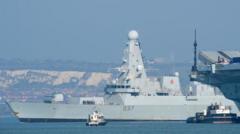
Strategic Pivot in Naval Defense Investment
The United Kingdom's naval forces are undergoing a significant transformation as the government announces a major shift in its defense procurement strategy. Rather than proceeding with the traditional replacement of aging destroyers, the military establishment will concentrate its financial resources on developing and deploying drone-equipped warships. This groundbreaking decision reflects a contemporary approach to maritime security that leverages autonomous technology and unmanned systems to enhance operational capabilities across global waters.
Move Away from Conventional Destroyer Replacement
For decades, naval strategy has centered on building advanced destroyer vessels to maintain fleet strength and international presence. However, this latest initiative marks a departure from that established pattern. The government's comprehensive defense investment plan, set to be unveiled in coming months, will prioritize the acquisition and construction of unmanned naval platforms rather than investing in costly destroyer construction programs. This transition acknowledges the changing nature of modern maritime threats and the potential advantages offered by autonomous maritime technology.
Cost Efficiency and Operational Flexibility
Drone-equipped warships offer significant advantages in terms of operational flexibility and long-term cost sustainability. Traditional destroyer vessels require extensive crewing, advanced maintenance infrastructure, and substantial operational budgets to remain combat-ready. Conversely, unmanned systems reduce personnel requirements while maintaining surveillance, reconnaissance, and defensive capabilities. The investment in modern drone-equipped vessels allows the navy to allocate resources more efficiently across multiple platforms rather than concentrating assets in a limited number of expensive destroyer hulls.
Technological Integration in Maritime Warfare
The shift toward drone-equipped warships reflects broader trends in military modernization worldwide. Advanced unmanned aerial vehicles, autonomous underwater systems, and remotely operated surveillance platforms have become integral to contemporary naval operations. These drone-equipped warships can conduct extended patrols, gather intelligence without risking personnel, and respond rapidly to emerging threats in contested waters. The integration of artificial intelligence and sophisticated sensor networks within these vessels represents the cutting edge of defense technology.
Global Implications and Competitive Advantage
By prioritizing drone-equipped warships over traditional destroyer replacement programs, the United Kingdom positions itself at the forefront of naval innovation. Nations around the world are investing heavily in unmanned systems, and this strategic decision ensures that British naval forces remain technologically competitive. The modernization effort demonstrates commitment to staying ahead in maritime security challenges while maintaining credibility as a leading naval power.
Defense Investment Plan Framework
The upcoming defense investment plan will establish clear procurement timelines and budgetary allocations for the development of drone-equipped warships. Government officials have indicated that this comprehensive strategy will address multiple defense priorities while maintaining fiscal responsibility. The plan recognizes that investing in cutting-edge unmanned technology provides greater flexibility in responding to diverse security challenges, from counterterrorism operations to protecting international trade routes and territorial waters.
Future Naval Operations
Drone-equipped warships will fundamentally change how naval operations are conducted in the coming decades. These platforms can operate in dangerous or sensitive areas where traditional manned vessels might face unacceptable risks. The ability to deploy multiple unmanned systems across wider geographic areas multiplies the Navy's effective operational reach while reducing the vulnerability of valuable personnel and assets. This represents a strategic evolution in how maritime forces project power and maintain security.
Implementation and Timeline
The government's commitment to modernizing naval capabilities through drone-equipped warships signals a long-term investment in maritime excellence. While specific timelines and funding allocations remain under review, defense analysts expect the transition to begin within the next fiscal year. The phased approach will allow for thorough testing, evaluation, and integration of new unmanned systems into existing naval structures.
This strategic realignment away from traditional destroyer replacement and toward drone-equipped warships represents a watershed moment in British naval history. By embracing technological innovation and autonomous systems, the Navy demonstrates its willingness to adapt to 21st-century security challenges while maintaining its position as a formidable maritime force on the world stage.