
Military Bases to Host Thousands of Asylum Seekers in UK
The UK Home Office plans to use three military locations across Oxfordshire, Suffolk, and Yorkshire to accommodate approximately 3,750 asylum seekers, pending approval.
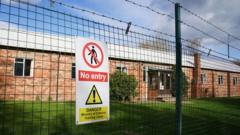
Expanding Military Base Use for Asylum Accommodation
The UK Home Office is advancing plans to utilize military bases as accommodation facilities for asylum seekers, with three new locations identified across England. These asylum seekers military bases represent an expanded approach to addressing housing pressures within the immigration system. The proposed sites are strategically positioned in Oxfordshire, Suffolk, and Yorkshire, and could collectively provide shelter for approximately 3,750 individuals should the necessary permissions be obtained.
Strategic Locations and Capacity
The identified military installations offer significant potential for converting existing infrastructure into residential facilities. The Oxfordshire location represents one prong of this multi-site approach, while Suffolk and Yorkshire installations would contribute equally to the overall capacity. Each facility has been assessed for its suitability in housing asylum seekers and managing the day-to-day operations required for such large-scale accommodation. The combined capacity of roughly 3,750 beds would provide a substantial addition to current housing provisions.
Approval Process and Timeline
Authorization from relevant local authorities and planning bodies remains necessary before these asylum seekers military bases can become operational. The Home Office has initiated formal procedures to secure permissions from each jurisdiction where the three facilities are located. The approval timeline remains dependent on local council assessments, environmental reviews, and community consultations required under UK planning regulations.
Context of UK Asylum Housing Challenges
The UK asylum housing crisis has prompted government officials to explore alternative solutions beyond traditional accommodation networks. Military bases offer several operational advantages, including existing infrastructure, security protocols, and management capabilities suited to large resident populations. This approach reflects broader policy efforts to manage the increasing numbers of asylum applications received annually across the country.
Previous Military Base Usage
The Home Office has previously converted military installations into asylum accommodation facilities, demonstrating the feasibility of such projects. These earlier initiatives established operational templates and best practices for managing large cohorts of residents within military compound environments. The current expansion builds upon lessons learned from existing military site conversions.
Economic and Operational Implications
Converting military properties into asylum housing represents a cost-conscious approach compared to alternative commercial accommodation arrangements. The government has increasingly relied on such solutions as conventional housing availability remains constrained. Operating costs, maintenance responsibilities, and facility management fall within established military logistics frameworks, potentially offering administrative efficiencies.
Community and Environmental Considerations
Local communities surrounding the three proposed military bases will participate in statutory consultation processes. Environmental assessments will examine impacts on surrounding areas, infrastructure capacity, and local services. These evaluations form mandatory components of the planning approval procedures governing asylum seekers military bases development.
National Context and Policy Direction
Asylum accommodation planning represents a critical component of broader immigration policy implementation. The Home Office continues evaluating multiple approaches to housing migrants throughout the approval and processing stages. Military facility conversions complement existing hotel-based arrangements, dispersed housing schemes, and purpose-built accommodation initiatives operating across England, Scotland, Wales, and Northern Ireland.
Future Expansion Prospects
Should the three facilities receive approval, the Home Office may consider additional military installations for future conversions. The success of current proposals could establish a template for scaling asylum seekers military bases across additional geographical regions. Decision-makers will likely assess public reception, operational outcomes, and cost-effectiveness metrics from the initial three sites before authorizing further expansion phases.
Implementation Expectations
Once permissions are granted, facility preparation and operational setup would commence. Staff recruitment, service provision arrangements, and security protocols must be established before accommodating residents. The timeline from approval to full occupancy typically requires several months of preparation and infrastructure adaptation.