
Meet the Woman Who Posed for Lucian Freud in His £25m Artwork
Sue Tilley recalls her experience posing for renowned artist Lucian Freud, whose portrait sold for £25 million. Discover her memories of the artist's studio.
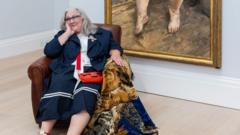
A Remarkable Encounter with Artistic Genius
Sue Tilley recently shared her fascinating recollections of posing for the legendary artist Lucian Freud, whose portrait commanding a staggering £25 million price tag at auction has reignited public interest in their creative collaboration. The sitter's vivid memories of those sessions paint an intimate portrait of the renowned painter and his unconventional approach to his craft.
Life Inside Freud's Unconventional Studio
Tilley fondly recalls the distinctive atmosphere of Lucian Freud's workspace, describing it as charmingly unkempt and filled with artistic treasures. The studio, far from being a pristine gallery space, reflected the personality of its occupant—creative, somewhat disheveled, yet remarkably sophisticated. Among the studio's eclectic collection stood a Rodin sculpture, repurposed pragmatically as a doorstop rather than displayed as a precious artifact.
The Artistic Process and Creative Sessions
The experience of sitting for the painter extended beyond mere studio time. Tilley remembers the sessions being punctuated by champagne lunches, moments of respite and conversation between painting intervals. These breaks offered glimpses into Freud's character—his wit, his observations about art and life, and his approach to capturing the essence of his subjects on canvas. These weren't sterile professional encounters but rather deeply human exchanges between artist and muse.
Understanding Freud's Distinctive Approach
Lucian Freud's reputation as one of the most significant figurative painters of the twentieth century rests on his unflinching commitment to portraying his subjects with brutal honesty. His work eschewed flattery in favor of psychological penetration, seeking to reveal something fundamental about the human condition through paint and brushwork. The portrait of Sue Tilley exemplifies this philosophy, capturing not merely physical likeness but emotional truth.
The Significance of the £25 Million Sale
The sale of Freud's portrait for £25 million underscores the enduring value and relevance of his artistic legacy. This extraordinary price reflects not only the technical mastery evident in the work but also the cultural significance Freud achieved during his lifetime and beyond. Collectors, institutions, and art enthusiasts worldwide recognize his paintings as investments in cultural patrimony.
Sue Tilley's Perspective on the Partnership
As the subject of such a celebrated and valuable artwork, Tilley occupies a unique position in art history. Her recollections provide invaluable perspective on Freud's working methods, his personality, and the collaborative nature of portraiture. While the artist holds primary recognition, Tilley's willingness to sit, to endure the intense scrutiny of Freud's gaze and brush, made the creation possible.
The Human Element in Fine Art
These memories highlight an often-overlooked aspect of portrait painting—the relationship between painter and subject. Beyond the technical execution, the finished artwork emerges from countless hours of human interaction. Freud's subjects didn't simply pose passively; many developed genuine connections with the artist, sharing meals, conversations, and mutual respect.
Legacy and Lasting Impact
The £25 million valuation places this portrait among the most expensive works by living artists or recently deceased masters. Such prices reflect art market dynamics, institutional collection goals, and the lasting influence Lucian Freud exerts on contemporary painting. For Sue Tilley, her involvement in creating one of the era's most significant artworks ensures her place in twentieth-century cultural history.
Tilley's candid recollections of champagne lunches and Freud's famously scruffy working environment offer contemporary audiences a window into the artistic process during a transformative period in British art. These memories, shared decades after the paintings were completed, provide context and humanity to what might otherwise remain abstract artistic achievements detached from the lived experiences of those involved in their creation.