
Manchester Railway Power Outage Leaves Thousands Stranded
Thousands of rail passengers face major disruptions after a power failure in Manchester. Services suspended and delays expected throughout the evening. Latest updates here.
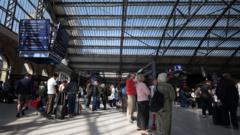
Major Power Outage Disrupts Rail Services for Thousands
A significant electrical failure affecting rail passengers has brought transport chaos to Manchester's railway network. The power failure incident has triggered widespread service disruptions, leaving commuters stranded and frustrated across the region. This unprecedented outage has forced authorities to implement emergency protocols to manage the affected rail passengers and restore normal operations.
Extent of the Disruption
The scale of the power failure became apparent within hours, with multiple train operators reporting cancellations and substantial delays. Services across the Manchester transport hub were severely compromised, affecting both local and intercity connections. Passengers faced uncertainty as rail staff worked to assess the damage and establish timelines for recovery.
Service Cancellations and Delays
Network operators confirmed that numerous services were cancelled entirely due to the power failure, while others experienced delays ranging from thirty minutes to several hours. The cascading effect of the initial outage created bottlenecks throughout the evening, with rail passengers forced to seek alternative transportation methods or abandon their journeys.
Emergency announcements were issued across platforms as the situation developed, with station staff providing regular updates to the stranded rail passengers. The power failure affected signaling systems and overhead line equipment, making it impossible to safely operate trains through affected sections of track.
Passenger Impact and Response
Thousands of commuters were left waiting at stations and aboard stationary trains as the outage persisted. The disruption particularly affected evening rush hour travelers, many of whom were unable to reach their destinations or return home as scheduled. Social media platforms filled with reports from frustrated rail passengers describing crowded stations and long waiting periods.
Emergency Support Measures
Rail operators activated contingency plans to assist affected passengers. Additional staff members were deployed to major stations to provide information and support. The power failure response team coordinated with emergency services to ensure passenger safety and welfare throughout the incident.
Investigation into Root Cause
Technical teams immediately began investigating the source of the power failure affecting the railway infrastructure. Initial assessments suggested the outage originated from the main electrical distribution network serving Manchester's rail terminus. The power failure investigation is expected to take several days to complete, with engineers examining transformers, circuit breakers, and connection points throughout the affected area.
Preliminary reports indicate that the power failure may have resulted from equipment malfunction rather than weather-related factors. However, a comprehensive technical review must be conducted to determine definitively what caused the widespread outage and implement preventative measures.
Recovery Timeline and Next Steps
As engineers worked through the evening to restore the power failure's impact, service restoration progressed gradually. Initial estimates suggested that partial services would resume within hours, with full capacity restoration expected by the following morning. The rail authority issued regular updates to keep rail passengers informed of progress.
For those affected by the power failure, the railway operator announced compensation measures and ticket validation procedures. Rail passengers holding tickets for disrupted services were permitted to use them on subsequent days or request refunds through customer service channels.
Preventative Measures
The power failure incident has prompted discussions about infrastructure upgrades and redundancy systems. Rail authority officials have committed to reviewing power distribution systems and implementing additional safeguards to prevent similar outages. These measures may include backup power systems and enhanced monitoring technology to detect equipment failures before they cause widespread disruption.
Conclusion
The Manchester power failure represented a significant disruption to regional rail services, affecting thousands of rail passengers and highlighting the critical importance of reliable infrastructure. While the immediate crisis was resolved, the investigation and subsequent improvements will shape the network's resilience for years to come. The rail industry continues to work toward eliminating such disruptions and ensuring reliable service for all passengers.