
M25 Motorway Gridlock: Heat Alert Triggers Hospital Admissions
Motorists stranded on M25 during heat alert suffer heat-related illnesses. Ambulance service faces challenges reaching affected patients during extreme temperatures.
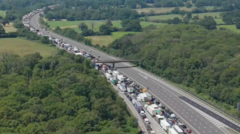
M25 Motorway Blocked: Heat Alert Creates Medical Emergency
A significant incident unfolded on the M25 motorway when numerous commuters found themselves stranded during an active heat alert, resulting in several individuals requiring hospital treatment for M25 heat alert-related conditions. The emergency response highlighted the serious challenges emergency services face when managing medical crises during periods of extreme weather.
Ambulance Service Struggles with Response Times
The ambulance service disclosed significant difficulties in reaching patients who had fallen victim to heat-related illnesses while trapped in stationary traffic. Officials confirmed that the combination of gridlocked vehicles and extreme temperatures created a perfect storm for medical emergencies, with crews reporting unprecedented obstacles in accessing those in distress.
Understanding Heat-Related Illnesses During Traffic Standstills
When motorists remain confined within vehicles during extreme heat events, they face heightened risks of various heat-related illnesses. These conditions range from heat exhaustion to more severe cases of heat stroke, both of which require immediate medical intervention. Vulnerable individuals, including elderly passengers, young children, and those with pre-existing medical conditions, face elevated dangers in such circumstances.
Symptoms Experienced by Affected Motorists
Those affected during the M25 motorway incident reported symptoms consistent with heat exhaustion and related conditions, including dizziness, nausea, confusion, and rapid heart rates. Some patients experienced more severe manifestations, prompting paramedics to transport them directly to hospital facilities for comprehensive medical evaluation and treatment.
Emergency Response Challenges During Extreme Temperatures
The ambulance service identified multiple complications when attempting to provide timely medical assistance during the heat alert period. Traffic congestion on major thoroughfares such as the M25 significantly impedes response vehicle access, forcing paramedics to navigate congested lanes and spend additional time reaching patients in distress. These delays, while sometimes unavoidable, can prove critical for individuals experiencing serious heat-related health emergencies.
Delayed Arrivals and Medical Consequences
Extended response times during heat emergencies can substantially impact patient outcomes. Medical professionals emphasize that prompt cooling interventions and professional medical care prove essential for individuals suffering from severe heat stroke. The M25 incident underscored how motorway gridlock amplifies these risks by restricting emergency service accessibility.
Weather Alerts and Public Safety Measures
During active heat alerts, authorities recommend that motorists take preventative measures to reduce their personal risk. These precautions include ensuring adequate hydration before journeys commence, maintaining vehicle air conditioning systems in proper working condition, and remaining alert for warning signs of heat-related distress among fellow travelers.
Official Guidance for Extreme Temperature Events
Health organizations advise keeping emergency contact numbers readily accessible and informing others of travel plans before embarking on journeys during extreme weather warnings. Motorists should also consider avoiding peak traffic times when possible and ensuring their vehicles receive regular maintenance checks before undertaking extended drives during heat alert periods.
Hospital Admissions and Treatment Outcomes
Several individuals affected by conditions sustained during the M25 motorway incident required hospital admission for observation and treatment. Medical staff at receiving facilities worked to stabilize patients and monitor them for any complications arising from heat exposure. Most patients showed positive responses to cooling therapies and supportive care measures administered by healthcare professionals.
Systemic Issues in Emergency Response Infrastructure
This incident raises important questions about emergency service preparedness during climate-related challenges. The ambulance service continues assessing how to enhance response capabilities during periods when heat alerts compromise normal operations. Infrastructure improvements, including dedicated emergency vehicle lanes and improved communication systems, remain subjects of ongoing discussion among transport and health authorities.
Looking Forward: Preparedness and Prevention
Following this significant event on the M25 motorway, stakeholders emphasize the importance of comprehensive preparation strategies for future heat alert scenarios. Public awareness campaigns, improved vehicle maintenance standards, and enhanced emergency service coordination represent key components of a broader safety framework designed to protect motorists during extreme weather conditions.