
Lebanese Conservationist Mona Khalil Dies in Israeli Strike
Mona Khalil, Lebanese turtle conservationist, lost her life following an Israeli strike. She had dedicated years to protecting coastal ecosystems and refused to abandon her conservation efforts.
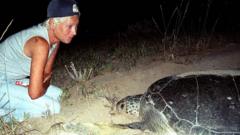
Lebanese Turtle Advocate Dies in Military Strike
Mona Khalil, a dedicated Lebanese conservationist who had devoted her career to protecting sea turtle habitats along her nation's coastline, tragically lost her life following an Israeli military strike. The Lebanese conservationist's death marks a significant loss for environmental protection efforts in the Mediterranean region, where her work had become instrumental in safeguarding one of the world's most vulnerable marine species.
Years of Dedication to Marine Life Protection
Throughout her professional career, Khalil had established herself as a prominent figure in marine conservation work across Lebanon. Her commitment to preserving coastal ecosystems extended far beyond typical environmental advocacy. The turtle conservationist spent countless hours conducting research, implementing protective measures, and educating local communities about the importance of maintaining natural beach habitats. Her unwavering dedication had earned her recognition both domestically and internationally within conservation circles.
Refusing to Abandon Her Life's Work
Despite escalating regional tensions and increasing security risks, Mona Khalil demonstrated extraordinary resolve by remaining at the beaches she had protected for years. While many residents evacuated from affected areas, the Lebanese conservationist chose to stay, continuing her vital work monitoring and protecting nesting sea turtles. This decision reflected her deep commitment to her mission and her belief that abandoning the beaches would compromise years of conservation efforts that depended on consistent monitoring and protection protocols.
The Impact of Her Conservation Legacy
Khalil's work had produced measurable results for marine biodiversity in Lebanese waters. Her initiatives included establishing protected zones where sea turtles could safely nest, implementing beach cleanup programs, and training local volunteers in conservation techniques. The Lebanese conservationist had also collaborated with international organizations to ensure her programs met global standards for marine protection. Her research contributed valuable data to regional studies on sea turtle population dynamics and habitat requirements.
Loss to Environmental Movement
The death of this prominent turtle conservationist represents a tragic blow to Lebanon's environmental sector. Colleagues and conservation organizations have expressed their grief over losing an individual whose passion for marine protection was unmatched. The Lebanese conservationist's absence will create a significant gap in ongoing research and protection initiatives that had been progressing under her leadership. Her departure leaves numerous projects in uncertain circumstances, potentially affecting the long-term sustainability of turtle populations in the region.
Broader Implications for Conservation Work
The incident highlights the challenges faced by environmental professionals operating in conflict-affected regions. Conservation work often requires sustained presence in specific locations, yet such dedication increasingly puts activists at risk during periods of military tension. The loss of Mona Khalil underscores the difficult choices facing those committed to protecting natural resources, even when personal safety becomes compromised. International conservation bodies have begun discussing how to better support environmental workers in high-risk areas.
Remembering a Dedicated Environmentalist
Mona Khalil's commitment to the Lebanese conservationist community and her unwavering focus on marine protection will be remembered by those who knew and worked alongside her. Her contributions to understanding and protecting sea turtle habitats have established a foundation upon which future conservation efforts in Lebanon will be built. The Lebanese conservationist's legacy extends beyond statistics and research papers; it represents a model of dedication and sacrifice for environmental causes that inspire ongoing work in the field.