
King Charles Publicly Discloses Personal Tax Payments During Reign
King Charles reveals his personal tax contributions for the first time as monarch. The royal financial report now includes detailed information about the sovereign's annual tax payments.
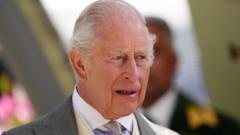
Historic Disclosure of Monarch's Personal Tax Bill
In a significant move toward financial transparency, King Charles has decided to reveal his personal tax payments for the first time since becoming monarch. This groundbreaking decision marks a substantial shift in how the royal family communicates its financial affairs to the public and establishes new standards of accountability for the crown.
The inclusion of King Charles tax payments in the annual financial report represents a departure from previous practices and demonstrates the monarchy's commitment to openness regarding its fiscal responsibilities. This measure aims to strengthen public confidence in the institution by providing citizens with clear insights into how the sovereign contributes to the nation's tax system.
New Transparency Standards in Royal Financial Reporting
The updated financial documentation will now incorporate detailed information about the monarch's personal tax contributions, making this the first comprehensive public disclosure of its kind. Previously, such information remained undisclosed, but the current administration has recognized the importance of providing taxpayers with transparency regarding royal finances.
This decision aligns with growing expectations for institutional accountability across all levels of government and public organizations. By voluntarily publishing these figures, the royal household demonstrates its willingness to meet contemporary standards of financial disclosure that citizens increasingly demand.
Significance of Financial Accountability in the Modern Monarchy
The revelation of King Charles tax information comes at a time when public institutions face heightened scrutiny regarding their financial practices. The monarchy, as one of the nation's most prominent institutions, has taken this opportunity to reinforce its commitment to responsible stewardship of resources and transparent governance.
By making King Charles tax payments visible to the public record, the royal family sends a powerful message about the importance of financial responsibility at every level of society. This action encourages a culture of openness that extends beyond the palace walls and into broader conversations about institutional accountability.
The Impact on Public Perception and Trust
Financial transparency has become increasingly important for maintaining public confidence in major institutions. The decision to disclose King Charles tax contributions allows citizens to understand exactly how the monarch fulfills fiscal obligations, removing speculation and enhancing the monarchy's credibility.
This proactive approach to disclosure demonstrates that the royal household understands contemporary expectations for accountability. Rather than waiting for external pressure or legislation to mandate transparency, the institution has chosen to lead by example, setting benchmarks for other organizations to follow.
Future Implications for Royal Financial Governance
The inclusion of personal tax information in the royal financial report establishes a new precedent for how the monarchy communicates about its fiscal affairs. This development may influence how other members of the royal family handle their financial disclosures and could inspire similar measures across other prestigious institutions.
As King Charles tax payment disclosure becomes standard practice, it will likely contribute to a broader conversation about financial accountability in public institutions. The sustainability of this transparency depends on consistent annual reporting and genuine commitment to maintaining these elevated standards of disclosure moving forward.