
Israeli Settlers Maintain Blockade of Palestinian Families in West Bank
Israeli settlers continue siege operations against Palestinian families in West Bank village. Security forces withdraw as tensions escalate over territorial disputes.
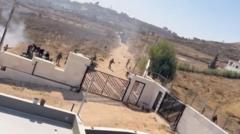
Israeli Settlers Maintain Siege on Palestinian Families
Approximately a dozen Israeli settlers continue to maintain a blockade against two Palestinian families in a West Bank village following the departure of security personnel. The siege situation involving Israeli settlers in the West Bank represents an escalation in regional tensions, with families trapped and unable to access essential services since the beginning of the week.
Current Situation on the Ground
According to reports, Israeli security forces have withdrawn from the area, leaving settlers as the primary actors maintaining the blockade. The two Palestinian families affected have been under siege since Sunday, facing restricted movement and limited access to food, water, and medical supplies. The presence of Israeli settlers maintaining this cordon has raised humanitarian concerns among international observers and Palestinian authorities.
Impact on Civilian Population
The families trapped within the blockade zone face mounting challenges as daily necessities become increasingly difficult to obtain. Residents report that Israeli settlers have prevented humanitarian access to the village, creating a humanitarian crisis that extends beyond the immediate families involved. Local Palestinian officials have condemned the actions of the settlers, describing the blockade as an illegal occupation tactic designed to force displacement.
Israeli Security Forces Withdrawal
The departure of Israeli security personnel from the vicinity of the blockade marks a significant shift in the operational dynamics. Previously, security forces maintained a visible presence in the area, but their withdrawal has left the responsibility for maintaining the siege entirely with settler groups. This development suggests a potential change in official policy regarding the involvement of state security apparatus in settler activities within the West Bank.
Questions About Authority and Accountability
The withdrawal raises questions about the coordination between Israeli military authorities and settler movements. Critics argue that the absence of security forces effectively grants settlers a free hand to pursue aggressive tactics against Palestinian communities. International observers have called for clarification on whether the withdrawal represents official policy or a tactical repositioning of forces.
Regional Implications and Response
The siege of Palestinian families by Israeli settlers contributes to the broader pattern of tensions in the West Bank. Palestinian leadership has condemned the blockade and called for international intervention to ensure humanitarian access. The situation reflects ongoing disputes over territorial control and settlement expansion that have characterized Israeli-Palestinian relations for decades.
International Attention
Human rights organizations have begun monitoring the situation closely, documenting conditions within the blockaded area. International media coverage has highlighted the plight of the trapped families, drawing attention to the methods employed by settler groups in pursuing territorial consolidation. Calls for intervention have emerged from multiple quarters within the international community.
Settlement Expansion Context
The blockade must be understood within the context of broader Israeli settlement policies in the West Bank. Settler communities have increasingly adopted aggressive postures toward Palestinian communities in disputed areas. The siege tactic represents an evolution in these confrontational approaches, using isolation and deprivation rather than direct violence to achieve territorial objectives.
Historical Pattern
This incident follows a pattern of settler encroachment and harassment documented over recent years. Previous sieges and blockades in other West Bank villages established precedents that appear to be influencing current tactics. The methodology suggests coordination among settler groups regarding pressure campaigns against Palestinian populations in strategically significant locations.
Humanitarian Concerns
Aid organizations have expressed grave concern about the welfare of residents trapped within the blockade zone. Vulnerable populations, including children and elderly residents, face particular risks due to the restricted access to essential services. Medical emergencies occurring during the siege pose serious complications, as transportation to healthcare facilities remains severely restricted.
The situation demonstrates how Israeli settlers maintain pressure on Palestinian communities through isolation tactics that create humanitarian consequences. The involvement of Israeli settlers in enforcing these blockades amplifies the severity of conditions for affected families. Unless conditions change, the humanitarian crisis affecting these Palestinian families will likely intensify in the coming days.