
Iran Closes Strait of Hormuz Following Israeli Strikes in Lebanon
Iran announces closure of the Strait of Hormuz citing Israeli attacks in Lebanon as violation of US agreement. Latest developments on Middle East tensions.
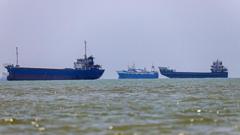
Iran Announces Strait of Hormuz Closure Amid Escalating Regional Tensions
The Strait of Hormuz closure declared by Iran marks a significant escalation in regional hostilities, as Tehran responds to what it characterizes as ongoing Israeli military operations targeting Lebanon. This strategic action represents a dramatic shift in Middle Eastern geopolitics and has immediate implications for global energy markets and international shipping routes.
Iranian Response to Israeli Military Operations
Tehran's leadership has formally stated that the recent military actions conducted by Israel in Lebanese territory constitute a direct violation of commitments made during negotiations with the United States. According to Iranian officials, these operations represent a fundamental breach of the understanding that was established to prevent further deterioration of the conflict.
The Strait of Hormuz closure decision follows a series of cross-border incidents that have heightened tensions throughout the region. Iranian government representatives have indicated that the blockade will remain in effect until Israel ceases its military activities in Lebanon and respects the terms of the bilateral agreement with Washington.
Strategic Implications of the Blockade
The Strait of Hormuz, one of the world's most critical maritime passages, handles approximately one-third of all internationally traded seaborne crude oil. The Strait of Hormuz closure announced by Iran creates substantial concerns for energy security and could potentially disrupt global oil supplies. This chokepoint connects the Persian Gulf to the Gulf of Oman and the Arabian Sea, making it indispensable for international commerce.
The blockade threatens to impose significant economic consequences on multiple nations that depend on this waterway for essential imports and exports. Shipping companies and energy traders are closely monitoring the situation as alternative routes would require substantially longer transit times and increased operational costs.
International Diplomatic Response
The announcement has prompted immediate diplomatic engagement from various international actors. The United States and European nations have expressed concern regarding the potential impact on global trade and energy markets. Officials from multiple countries have called for de-escalation and urged all parties to return to the negotiating table.
Regional allies of both Iran and Israel have also released statements addressing the crisis. The complexity of these diplomatic challenges reflects the broader geopolitical divisions that characterize contemporary Middle Eastern politics.
Lebanon's Role in the Escalating Crisis
Lebanese civilians and infrastructure have borne the brunt of recent military operations. The country, already facing significant humanitarian and economic challenges, faces additional strain from renewed hostilities. Border communities have experienced displacement, casualties, and destruction of property as a result of the cross-border operations.
Local authorities in Lebanon have expressed grave concerns about the humanitarian consequences and have appealed to the international community for intervention. The situation has destabilized an already fragile nation and threatens to further undermine regional stability.
Historical Context of Iran-Israel Relations
The tensions between Tehran and Tel Aviv extend back decades, rooted in competing regional interests and ideological differences. Previous confrontations have occasionally escalated to direct military engagement, though recent conflicts have primarily involved proxy forces and limited direct action.
The Strait of Hormuz closure represents one of Iran's most significant moves to demonstrate resolve and project power within regional disputes. Historical precedent shows that such actions have previously generated substantial international pressure and economic consequences.
Economic Impact and Market Reactions
Global financial markets have responded with increased volatility following the announcement. Oil prices have experienced upward pressure as traders assess supply risks. Insurance costs for vessels transiting the Strait of Hormuz have risen sharply, reflecting heightened perceived risks.
Corporations with significant operations or supply chains dependent on Middle Eastern trade are reassessing their logistics strategies. Port operators in alternative shipping routes are preparing for potential increases in traffic volume.
Looking Forward: Potential Resolution Paths
Observers and analysts remain cautious about immediate resolution prospects. The Strait of Hormuz closure decision indicates that Iranian leadership views the current situation as sufficiently serious to warrant such dramatic action. Any pathway toward de-escalation would likely require significant concessions from Israel regarding its military operations in Lebanon and reaffirmation of commitments to the agreement with the United States.
Continued diplomatic efforts through intermediaries may provide the most realistic avenue toward reducing tensions and reopening vital shipping corridors. The international community watches closely as this critical situation develops.