
Heatwave Vegetables: Why Ugly Produce Is Perfectly Safe
Discover why heatwaves produce misshapen vegetables like cauliflower and potatoes. Learn if these wonky crops are still safe and nutritious to eat.
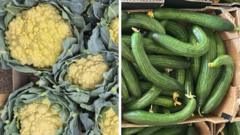
Understanding Heatwave Vegetables and Their Growing Impact
Heatwave vegetables are becoming increasingly common in British supermarkets as rising temperatures reshape agricultural production across the nation. These unusual produce items, including sun-tanned cauliflowers and irregularly shaped potatoes, represent a direct consequence of extreme weather patterns affecting crop development. Unlike conventionally grown vegetables, heatwave vegetables develop distinctive characteristics that have sparked consumer curiosity and concern about their quality and safety.
The phenomenon of heatwave vegetables gaining prominence reflects broader environmental changes influencing farming practices. British shoppers are noticing more wonky vegetables on shelves, a trend directly linked to consecutive periods of intense heat. Agricultural experts confirm that these temperature fluctuations impact plant growth at fundamental levels, creating the distinctive appearances that distinguish heatwave vegetables from standard produce.
Why Extreme Heat Causes Vegetables to Look Different
Environmental stress during growing seasons fundamentally alters how plants develop. When crops experience prolonged exposure to high temperatures, their growth patterns shift dramatically. Heatwave vegetables like cauliflowers develop unusual coloring and surface textures as the plants struggle to regulate water uptake and nutrient distribution under stress conditions.
Potatoes grown during heat stress periods exhibit distinctive knobby characteristics and irregular shapes. These deformities occur because heat accelerates certain growth processes while simultaneously limiting others. The resulting misshapen potatoes represent the plant's natural adaptation mechanism to environmental pressure. Understanding this biological response helps consumers appreciate why heatwave vegetables look substantially different from their conventional counterparts.
Surface Changes in Cauliflower During Heat Events
Cauliflower experiences visible transformations when exposed to extreme temperatures. The florets may develop darker pigmentation, creating the distinctive sun-tanned appearance increasingly observed in produce sections. This coloration change indicates increased production of protective compounds within the plant tissue, a physiological response to heat stress. The visual transformation doesn't diminish the vegetable's nutritional value or safety for consumption.
Structural Abnormalities in Root Vegetables
Root vegetables including potatoes demonstrate more pronounced physical deformities during heatwave conditions. The uneven distribution of soil temperature and moisture availability creates conditions where tubers develop irregular protrusions and unusual shapes. These knobly spuds, while aesthetically different, maintain identical nutritional profiles compared to uniformly shaped potatoes grown under ideal conditions.
Are Heatwave Vegetables Safe to Eat?
Consumer concerns about the safety of heatwave vegetables represent a natural response to unfamiliar produce. Scientific evidence consistently confirms that wonky vegetables pose no health risks whatsoever. Agricultural researchers and food safety authorities have thoroughly examined these crops and determined their composition remains unchanged despite their unusual appearances.
The unusual characteristics visible on heatwave vegetables reflect purely superficial and structural changes. No dangerous compounds accumulate within these vegetables as a result of heat stress conditions. Farmers continue to apply identical growing protocols, pest management strategies, and quality assurance measures regardless of whether produce develops conventional or unusual shapes.
Nutritional Content Remains Constant
Nutritional analysis of heatwave vegetables reveals no significant variations compared to standard produce. The vitamin content, mineral composition, and fiber levels remain consistent. These vegetables deliver identical health benefits whether they display typical uniform shapes or develop unusual characteristics from heat exposure. Consumers can confidently incorporate these items into balanced diets without any nutritional compromise.
Food Safety Protocols Apply Universally
All vegetables reaching retail shelves, including heatwave varieties, undergo rigorous inspection and quality assessment. Food safety standards apply uniformly regardless of produce appearance. Retailers and distributors maintain identical handling procedures, temperature controls, and sanitation requirements for both conventional and heat-stressed crops. This comprehensive oversight ensures consumer protection across all produce categories.
Broader Implications for British Agriculture
The increasing prevalence of heatwave vegetables signals significant shifts in agricultural conditions across the United Kingdom. Repeated extreme weather events create lasting impacts on farming operations and production capabilities. British farmers are adapting cultivation strategies to accommodate changing climate patterns, with some modifications proving more successful than others.
Agricultural researchers are developing crop varieties specifically selected for enhanced heat tolerance. These breeding programs aim to create plants capable of maintaining normal growth patterns even under temperature stress. The goal involves producing vegetables that maintain both conventional appearance and optimal nutritional quality regardless of ambient conditions. These initiatives represent crucial adaptations to ensure long-term food security.
Consumer Perspective and Market Adaptation
British shoppers demonstrate growing acceptance of heatwave vegetables as awareness increases regarding their safety and origins. Educational campaigns explaining the causes and safety of wonky vegetables help normalize these produce items in retail environments. Market research indicates consumers prioritize safety and nutrition over aesthetic uniformity, supporting expanded distribution of heat-stressed crops.
Retailers increasingly position heatwave vegetables prominently, emphasizing their freshness and local sourcing advantages. Some supermarkets highlight these products as evidence of responsive supply chains adapting to real-world growing conditions. Consumer demand for transparency about agricultural practices supports greater acceptance of vegetables bearing visible signs of environmental adaptation.
Looking Forward: Climate Resilience in Food Production
The emergence of heatwave vegetables as common retail items reflects inevitable adjustments to agricultural systems confronting climate reality. Future food security depends partly on normalizing produce variations resulting from environmental conditions beyond farmer control. British agriculture will continue adapting production methods to optimize yields despite temperature fluctuations and extreme weather events.
Acceptance of heatwave vegetables represents practical acknowledgment that perfect uniformity cannot be maintained during periods of environmental stress. Embracing these crops supports realistic food systems capable of sustaining populations through changing climates. Consumer willingness to purchase wonky vegetables contributes meaningfully to agricultural resilience and economic stability for farming communities across Britain.