
Hamas Disarmament Plan Offers Hope for Gaza Despite Major Political Obstacles
A comprehensive disarmament plan for Hamas faces significant challenges but provides rare opportunity for peace in Gaza, amid war complexities and reconstruction needs.
Hamas Disarmament Plan Offers Glimmer of Hope Amid Gaza Conflict
A proposed Hamas disarmament plan represents a potentially transformative yet deeply challenging pathway for establishing stability in Gaza. While the Hamas disarmament initiative faces formidable obstacles rooted in political dynamics, military realities, and the profound humanitarian crisis affecting the region, international observers recognize it as offering rare diplomatic possibilities for conflict resolution.
Understanding the Political Complexity
The landscape surrounding any Hamas disarmament agreement remains extraordinarily intricate. Political considerations at multiple levels—regional, international, and local—create substantial friction points that complicate negotiations. The historical tension between involved parties, combined with competing strategic interests, makes achieving consensus extraordinarily difficult. Policymakers must navigate these political realities while simultaneously addressing security concerns and establishing frameworks that all stakeholders might accept.
The Human Cost and Its Impact on Negotiations
The devastating toll of conflict shapes every dimension of potential peace discussions. Thousands of lives have been lost, leaving communities traumatized and populations skeptical of agreements. This human tragedy creates an emotional and psychological barrier to reconciliation that extends far beyond technical negotiations. Families grieving losses, displaced populations, and survivors bearing psychological scars form the backdrop against which any disarmament plan must be evaluated and potentially implemented.
Physical Destruction Complicates Implementation
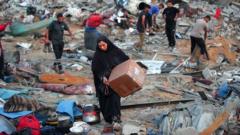
Gaza's infrastructure lies in ruins, presenting practical challenges for any disarmament initiative. The physical destruction of the territory means that implementing security verification mechanisms, establishing new governance structures, and facilitating humanitarian access becomes exponentially more complicated. Rebuilding efforts must occur simultaneously with disarmament processes, creating logistical and financial burdens that strain available resources.
Trust Deficit as a Central Challenge
Zero trust characterizes current relationships between parties involved in potential Hamas disarmament discussions. This absence of confidence creates verification problems, implementation challenges, and constant suspicion regarding intentions and compliance. Building adequate trust mechanisms capable of supporting a disarmament framework requires sustained diplomatic engagement and confidence-building measures that have historically proven difficult to maintain under duress.
Why This Plan Still Represents Hope
Despite overwhelming obstacles, the Hamas disarmament plan offers meaningful potential because it addresses root causes of instability. A successful disarmament framework could reduce immediate security threats, establish parameters for legitimate governance, and create space for reconstruction and humanitarian assistance. The plan's existence itself signals that viable diplomatic pathways remain possible, even when prospects appear bleak.
Technical and Security Considerations
Any viable disarmament arrangement must address weapons caches, militant infrastructure, and organizational transformation. International monitoring mechanisms, verified compliance protocols, and phased implementation approaches could theoretically provide security assurances to concerned parties. However, executing these technical components amid ongoing instability presents unprecedented practical difficulties.
Reconstruction as Integral Component
Sustainable disarmament cannot occur in isolation from Gaza's rebuilding needs. Economic opportunity, housing restoration, healthcare access, and educational systems directly influence population attitudes toward peace agreements. A comprehensive approach must integrate disarmament with reconstruction planning, creating interconnected processes that reinforce one another.
Path Forward and International Involvement
International community engagement remains essential for any Hamas disarmament plan's success. Third-party verification, financial commitment to reconstruction, and diplomatic pressure on all parties help offset some structural obstacles. Regional powers must align around common objectives, despite competing strategic interests, to create conditions favorable for implementation.
The Hamas disarmament plan, while extraordinarily complex and fraught with potential failure points, represents humanity's continuing effort to transform conflict into peace. Its success remains uncertain, but its existence provides reason for cautious optimism that even deeply entrenched conflicts might yield to diplomatic solutions.