
Guinea Waste Site Disaster Claims 30 Lives
A catastrophic collapse at Guinea's largest landfill buried homes and claimed 30 lives. Authorities investigate the environmental and structural failures behind the tragedy.
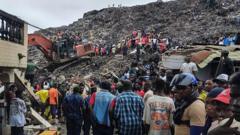
Major Landfill Collapse in Guinea's Capital
A devastating incident unfolded at one of West Africa's largest waste disposal facilities as a mountainous accumulation of refuse collapsed without warning. The Guinea landfill disaster, which struck the nation's capital, resulted in the deaths of 30 individuals and left numerous residential structures buried beneath tons of debris. Government officials confirmed that multiple homes in densely populated neighborhoods were completely engulfed during the catastrophic event, marking one of the most severe environmental and public safety crises the country has faced in recent years.
The Immediate Aftermath and Casualties
The collapse of the Guinea landfill site sent shockwaves through the affected community as rescue teams mobilized to locate survivors trapped beneath the rubble. Emergency responders worked tirelessly to extract victims from the wreckage, though many were pronounced dead at the scene. Families of the deceased struggled to process the sudden loss of their loved ones, while local authorities scrambled to establish temporary shelters for displaced residents whose homes were destroyed in the incident.
Government representatives issued formal statements regarding the disaster, acknowledging the magnitude of the human toll. The 30 fatalities represented a substantial loss of life concentrated in a single geographic area, highlighting the precarious living conditions that many citizens face when settlements exist adjacent to waste management zones.
Structural and Environmental Factors
Investigators began examining the underlying causes that led to such a catastrophic failure. The Guinea landfill had accumulated waste materials for an extended period, creating an unstable structure vulnerable to collapse. Experts suggested that inadequate compaction procedures, lack of proper drainage systems, and the sheer weight of accumulated refuse contributed to the structural weakness that ultimately gave way.
Environmental concerns emerged alongside the humanitarian crisis. The collapse potentially released hazardous materials into surrounding soil and water sources, posing long-term health risks to residents in the area. Toxic substances contained within decades of refuse threatened to contaminate groundwater supplies and agricultural land, creating a secondary disaster that authorities would need to address through systematic remediation efforts.
Government Response and Investigation
National authorities launched an immediate investigation into the Guinea landfill catastrophe to determine responsibility and identify systemic failures. Officials announced plans to implement structural assessments across all major waste facilities in the capital region. The disaster reignited debates about waste management infrastructure and environmental protection standards within the nation.
Government spokespeople pledged compensation to affected families and committed to preventing similar incidents. However, critics questioned whether adequate resources would be allocated to modernize the country's waste disposal systems or whether the response would remain superficial.
Community Impact and Long-term Consequences
The Guinea landfill collapse left profound impacts extending far beyond the immediate casualty count. Hundreds of residents lost their homes and possessions, with many lacking insurance or financial resources for reconstruction. The psychological trauma affecting survivors and bereaved families would likely require extensive social support services that stretched local healthcare capacity.
Broader implications for urban planning emerged from the tragedy. Cities across West Africa grappled with rapid population growth and inadequate waste management infrastructure, making similar disasters a persistent risk. The incident served as a stark reminder of the dangers inherent in poorly maintained refuse sites located near residential areas.
Moving Forward: Lessons and Prevention
International observers and regional organizations called for comprehensive reforms in waste management practices throughout Guinea and neighboring countries. Experts recommended establishing international standards for landfill engineering, implementing regular safety inspections, and restricting residential construction near waste facilities.
The Guinea landfill disaster underscored the critical need for investment in sustainable waste management solutions, including recycling programs and modern disposal technologies. Without significant intervention, authorities warned that similar tragedies remained inevitable unless structural and policy changes were implemented systematically across the region's waste infrastructure.