
Goodwin Explores Strategic Divestiture of Defence Operations Unit
Goodwin examines potential sale of defence business segment. Key supplier to UK and US naval programmes considers strategic restructuring options.
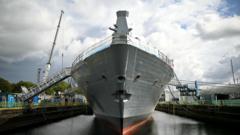
Goodwin Considers Strategic Defence Business Divestiture
Goodwin, a prominent supplier of critical components to advanced naval defence programmes, is evaluating the potential sale of its defence business segment. This strategic consideration marks a significant development for the firm, which has established itself as an essential provider to both UK and US military initiatives.
Key Role in Naval Defence Programmes
The company's defence business serves as a crucial supplier to several major defence projects. Goodwin provides essential components for UK and US frigate programmes, supplying precision-engineered parts that are integral to the construction and operational capability of these advanced naval vessels. Additionally, the firm delivers specialized components to submarine programmes operated by both nations, demonstrating the breadth and criticality of its defence portfolio.
Strategic Importance of Defence Operations
As a key supplier of components to UK and US frigate and submarine programmes, Goodwin has built a reputation for delivering high-quality, mission-critical systems. The defence business segment represents a substantial portion of the company's operations, with long-term contracts and established relationships with government defence departments across both nations. These partnerships have provided Goodwin with stable revenue streams and significant market positioning within the defence sector.
Reasons Behind the Divestiture Consideration
While specific motivations for exploring the sale remain under analysis, companies typically evaluate such strategic options to streamline operations, focus on core business segments, or generate capital for alternative investments. Defence businesses, though profitable and strategically important, often require substantial regulatory compliance, specialized expertise, and significant capital expenditure for research and development.
The potential divestiture could allow Goodwin to redirect resources toward other business segments or pursue alternative growth opportunities. Alternatively, the sale might enable the company to focus on specialization within the defence sector rather than maintaining a broad portfolio of operations.
Market Implications and Industry Context
The consideration of a defence business sale comes at a time when the defence industry is experiencing notable activity in consolidation and strategic restructuring. Major defence suppliers frequently reassess their portfolios to optimize shareholder value and respond to evolving market conditions. However, the sale of critical defence infrastructure components requires careful oversight and approval from relevant government authorities in both the UK and US, given national security considerations.
Any transaction involving Goodwin's defence operations would likely attract significant interest from major defence contractors and established aerospace and defence companies seeking to expand their capabilities in naval systems and submarine component manufacturing.
Future Outlook for Goodwin Defence Business
The company's exploration of a potential defence business sale does not necessarily indicate an imminent transaction. Rather, Goodwin appears to be conducting a comprehensive strategic review of its options regarding the defence segment. The conclusion of this review process will determine whether the company pursues an outright sale, explores alternative partnership structures, or maintains current operational arrangements.
As one of the key suppliers to UK and US frigate and submarine programmes, Goodwin maintains its commitment to fulfilling current contracts and maintaining the highest standards of quality and reliability expected by defence customers. The outcome of this strategic evaluation will provide clarity regarding the company's future direction within the defence sector.