
Glacier Collapse Triggers Catastrophic Floods in Nepal-Tibet Region
Scientists identify glacier collapse as the primary cause of devastating floods affecting Nepal and Tibet, raising concerns about rapid Himalayan ice melting and climate impacts.
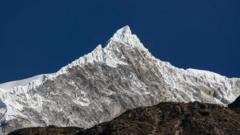
Glacier Collapse Identified as Primary Cause of Nepal-Tibet Floods
Recent investigations conducted by leading glaciologists have confirmed that a significant glacier collapse triggered the catastrophic flooding that devastated regions across Nepal and Tibet. This glacier collapse floods event underscores the mounting environmental challenges facing the Himalayan mountain range as global temperatures continue to rise.
The research team examined geological evidence and satellite imagery to trace the origin of the destructive water surge that swept through multiple valleys. Their findings provide crucial insights into how rapidly melting Himalayan ice contributes to increasingly severe natural disasters in South Asia's most vulnerable regions.
Understanding the Mechanism Behind the Disaster
The glacier collapse occurred when accumulated meltwater and structural instability within the ice mass reached critical thresholds. Scientists explain that the rapid detachment of massive ice blocks created an instantaneous release of water and glacial debris, generating a powerful outflow phenomenon commonly known as a glacial lake outburst flood.
Preliminary data indicates that the cascade of ice and water moved at extraordinary speeds through narrow mountain passes, amplifying its destructive capacity. The force generated by this glacier collapse floods was sufficient to obliterate infrastructure and reshape landscape features across considerable distances downstream.
The Broader Context of Himalayan Ice Melting
This incident represents a symptom of the larger crisis affecting the Himalayan mountain system. Over the past several decades, scientists have documented accelerating rates of glacial retreat throughout the range, attributed primarily to elevated atmospheric temperatures and shifting precipitation patterns.
The Himalayan ice melting phenomenon has profound implications for water security, as millions of people depend on glacial-fed rivers for drinking water, irrigation, and hydroelectric power generation. The collapse of alpine glaciers threatens not only immediate safety but also long-term resource sustainability across South and East Asia.
Scientific Response and Findings
Leading research institutions mobilized teams to investigate the glacier collapse floods immediately following the event. Using advanced remote sensing technology and field surveys, scientists collected comprehensive data on ice mass changes, water flow patterns, and geological transformations caused by the disaster.
Their preliminary investigations revealed that the specific glacier in question had experienced accelerated thinning during recent years. Comparative analysis of satellite images spanning multiple years demonstrated the progressive structural weakening that ultimately resulted in the catastrophic failure.
Climate Change and Future Risks
Experts emphasize that the Nepal-Tibet flooding incident exemplifies climate-driven hazards that will likely intensify without intervention. Warming temperatures trigger several interconnected processes: accelerated melting of existing glacial ice, formation of unstable meltwater lakes, and increased stress on glacier foundations.
The glacier collapse floods disaster highlights the urgency of implementing climate adaptation strategies in vulnerable mountain communities. Scientists recommend enhanced monitoring systems, improved early warning capabilities, and infrastructure modifications to reduce exposure to similar events in the future.
Implications for Regional Safety and Policy
This natural catastrophe necessitates reassessment of risk factors in glacial regions and development of comprehensive disaster management protocols. Regional governments and international organizations have begun coordinating efforts to establish monitoring networks capable of detecting warning signs before critical failures occur.
Communities living downstream from vulnerable glaciers require enhanced protection measures, evacuation procedures, and long-term relocation strategies where appropriate. The glacier collapse floods event serves as a powerful reminder of nature's capacity to generate sudden, overwhelming disasters with minimal warning.
Conclusion
The confirmed glacier collapse as the cause of the Nepal-Tibet floods represents a watershed moment in understanding climate-related hazards affecting the Himalayan region. As scientists continue analyzing data from this event, their findings will inform policy decisions and protective measures designed to safeguard populations in one of Earth's most dynamic and climatically sensitive environments. The Himalayan ice melting crisis demands urgent global attention and coordinated regional responses to prevent future tragedies of similar magnitude.