
Free Speech Stance Could Impact Labour's Election Performance
New polling reveals free speech is a key voter concern. Liberty warns Labour's policies may cost votes in next general election. Three in five voters prioritize party positions on free speech.
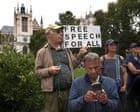
Voter Concerns About Free Speech Emerge as Election Issue
Recent polling data demonstrates that free speech election prospects remain a critical factor influencing voter behavior in upcoming electoral contests. According to survey results commissioned by Liberty, a prominent human rights advocacy organization, voter sentiment on free speech could significantly shape the political landscape as the nation approaches its next general election.
The polling research, conducted by More in Common, reveals substantial public concern regarding how political parties handle free speech protections. Three out of every five respondents indicated that a political party's position on free speech would directly influence their voting decisions when the next general election occurs. This finding underscores the growing importance of speech protection issues among the electorate.
Liberty's Assessment of Current Government Approach
Liberty has raised serious concerns about the government's current handling of free speech matters, suggesting that the ruling administration's approach has generated negative perceptions among significant portions of the voting population. The rights organization argues that many citizens believe recent government policies have had detrimental effects on free speech protections and broader civil liberties.
The human rights group's analysis indicates that Labour's position on safeguarding free speech could potentially result in electoral consequences. Liberty contends that the party's track record and stated policies on speech protection may alienate voters who prioritize this issue as a fundamental democratic principle.
Public Perception of Recent Policies
Survey participants expressed concerns about several policy areas affecting free speech rights. The polling data suggests widespread perception that recent government initiatives have negatively impacted the ability of citizens to express themselves freely. Voters appear particularly concerned about how current legislation and enforcement approaches balance competing interests between security measures and personal freedoms.
The research highlights a disconnect between government policy objectives and public expectations regarding free speech protections. Many respondents felt that policymakers have not adequately considered how their decisions affect fundamental speech rights, a concern that extends across various demographic groups and political affiliations.
Electoral Implications and Voter Priorities
As political parties prepare campaign strategies for the upcoming general election, free speech has emerged as a distinguishing issue that could differentiate candidates and parties in the minds of voters. The polling evidence suggests that citizens view speech protection as integral to broader democratic governance, not merely as a peripheral policy matter.
Liberty's warnings about Labour's electoral vulnerability on free speech issues suggest that the party must carefully reconsider its positioning on speech protection policies. The organization's analysis indicates that voters increasingly view free speech as a litmus test for evaluating political parties' commitment to democratic principles and civil liberties protection.
Implications for Political Strategy
The polling results carry significant implications for how political parties frame their election campaigns and public messaging. Parties that can effectively demonstrate commitment to robust free speech protections may gain electoral advantages among voters who prioritize civil liberties. Conversely, parties perceived as limiting speech rights face potential voter backlash at the ballot box.
Liberty's research provides evidence that free speech should not be treated as a marginal policy issue but rather as a central component of electoral debates. The human rights organization suggests that political parties must actively communicate their commitment to speech protection and address voter concerns directly through their campaign platforms and policy proposals.