
Ford Brings Back Human Engineers as AI Quality Checks Fail
Ford rehires experienced engineers after discovering AI quality checks cannot match human expertise. Learn why automation fell short in automotive manufacturing.
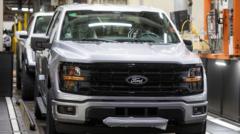
Ford Rehires Human Engineers Following AI Quality Failure
Leading automotive manufacturer Ford has made a significant decision to bring back human engineers to its quality assurance operations after discovering that AI quality checks were unable to deliver results comparable to those of seasoned industry professionals. This strategic shift represents a notable acknowledgment of the limitations that artificial intelligence continues to face in highly specialized manufacturing environments where precision and expertise are paramount.
The company's experience underscores a growing reality in the industrial sector: while AI quality checks have shown promise in automating routine tasks, they frequently fall short when evaluated against the nuanced judgment and technical proficiency that veteran technicians bring to the table. Ford's decision reflects broader industry concerns about over-reliance on automation in quality control processes where human oversight remains irreplaceable.
The Gap Between Automation and Human Expertise
Ford's experience with AI quality checks has revealed significant performance gaps that have prompted the manufacturer to reconsider its automation strategy. The company discovered that artificial intelligence systems, despite sophisticated algorithms and machine learning capabilities, struggled to identify defects and quality issues with the same consistency and accuracy that experienced engineers demonstrated.
Veteran technicians possess years of institutional knowledge, pattern recognition abilities developed through hands-on experience, and the capacity to make contextual judgments that extend beyond programmed parameters. These human qualities proved essential in catching subtle manufacturing defects that AI quality checks overlooked, ultimately affecting vehicle reliability and customer satisfaction.
Why AI Quality Checks Fell Short
The limitations of AI quality checks in automotive manufacturing stem from several interconnected factors. First, artificial intelligence systems require extensive training data to function effectively, and manufacturing variables often exceed the scope of available datasets. Second, the complexity of modern vehicle design creates scenarios that AI models have not been adequately trained to recognize.
Additionally, AI quality checks lack the adaptive reasoning that human engineers apply when encountering novel or unusual manufacturing situations. When equipment malfunctions, material batches vary, or production conditions change unexpectedly, experienced technicians can adjust their assessment criteria and investigation methods accordingly—a flexibility that current AI systems cannot replicate.
The Strategic Reversal at Ford
Ford's decision to rehire human engineers represents more than a simple operational adjustment; it signals a fundamental reassessment of automation's role in critical manufacturing functions. Rather than viewing this as a failure of automation technology entirely, industry analysts interpret the move as a recognition that quality assurance demands a hybrid approach combining both technological tools and human expertise.
The automotive manufacturer is not abandoning AI quality checks entirely but rather repositioning them as complementary tools that support human decision-making rather than replace it. This balanced approach allows the company to leverage automation for data collection and preliminary analysis while reserving critical judgment decisions for experienced professionals.
Industry Implications and Future Outlook
Ford's experience carries significant implications for the broader manufacturing sector, which has increasingly invested in automation and artificial intelligence systems. The decision demonstrates that even sophisticated AI quality checks cannot entirely substitute for human engineers in industries where quality directly impacts safety and performance.
Other automotive manufacturers and industrial companies facing similar challenges may find Ford's approach instructive. The lesson is clear: successful manufacturing operations in the modern era require strategic integration of AI quality checks with human expertise, rather than wholesale replacement of experienced workforces with automated systems. As technology continues to evolve, the most competitive manufacturers will likely be those that effectively combine machine intelligence with human judgment, creating quality assurance processes that capture the strengths of both approaches while mitigating their individual weaknesses.