
England's Cancer Diagnoses Exceed 1,000 Daily Cases
Cancer diagnoses in England reached record levels with over 1,000 patients identified daily. Despite NHS efforts, treatment timelines remain unmet.
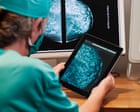
Record-Breaking Cancer Diagnoses in England Surge Past 1,000 Daily
Cancer diagnoses in England have reached unprecedented levels, with NHS statistics confirming that more than 1,000 individuals are now being diagnosed every single day. This milestone represents a significant shift in cancer detection rates across the nation, reflecting both improved screening initiatives and increased case identification within the healthcare system.
The surge in cancer diagnoses in England underscores the growing burden on the National Health Service as it grapples with unprecedented demand. Medical professionals and health authorities attribute this rise to multiple factors, including enhanced awareness campaigns, expanded screening programs, and an aging population with naturally higher cancer incidence rates.
NHS Performance Falls Short of Critical Benchmarks
While the identification of cancer cases at such elevated rates demonstrates the NHS's capacity for detection, healthcare experts have raised serious concerns about the system's ability to meet established treatment and diagnosis timelines. According to recent assessments, the health service is consistently failing to achieve the recommended targets for both diagnostic confirmation and therapeutic intervention.
These delays in cancer diagnosis and treatment pathways represent a critical gap between detection capability and clinical delivery. The disparity between case identification numbers and treatment timeframe achievement highlights systemic challenges within the NHS infrastructure, including resource constraints, staffing limitations, and capacity pressures across oncology departments.
Implications of Unmet Treatment Targets
The failure to meet timescale targets for cancer diagnosis and treatment has profound implications for patient outcomes. Medical experts emphasize that delays in initiating therapeutic protocols can significantly affect survival rates, disease progression, and overall prognosis for affected individuals.
Healthcare analysts point out that while cancer diagnoses in England continue to climb, the corresponding infrastructure and resources necessary to manage this caseload have not expanded proportionally. This mismatch creates bottlenecks throughout the diagnostic and treatment pipeline, potentially compromising the effectiveness of early detection efforts.
Expert Concerns and System Capacity
Specialists within the oncology field have expressed mounting concern regarding the NHS's ability to sustain current performance levels. The combination of record-high cancer diagnoses and persistent failures to meet treatment deadlines suggests that fundamental capacity issues require urgent attention and resource allocation.
The challenge facing the health service extends beyond simple numerical increases in diagnosed cases. Cancer diagnosis procedures require specialized expertise, advanced diagnostic equipment, multidisciplinary team coordination, and careful treatment planning—all of which demand substantial time and resources. As cancer diagnoses in England continue their upward trajectory, these operational demands intensify.
Looking Forward: System Resilience and Reform
Moving forward, addressing the gap between cancer detection rates and treatment delivery will require comprehensive systemic improvements. Healthcare authorities face mounting pressure to enhance infrastructure, recruit additional specialized personnel, and streamline diagnostic pathways to align detection with therapeutic capacity.
The record numbers of cancer diagnoses in England represent both an achievement in early detection and a clarion call for healthcare reform. Stakeholders acknowledge that maintaining current diagnostic success while simultaneously meeting established treatment timelines demands strategic investment, operational restructuring, and sustained commitment to improving oncology services throughout the NHS network.