
Electric Power: A Revolutionary Clean Alternative to Aviation Fuel
Discover how electric power is reshaping aviation as a sustainable alternative to traditional fuel. Explore the environmental and technological benefits today.
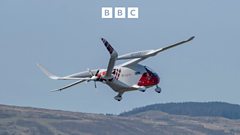
Electric Power Transforms Aviation Industry
The aviation sector stands at a pivotal moment as electric power emerges as one of the most promising cleaner alternatives to conventional aviation fuel. This technological shift represents a fundamental transformation in how the industry approaches sustainability and environmental responsibility, offering solutions to reduce carbon emissions and dependence on fossil fuels.
Understanding Electric Power as Aviation Fuel Alternative
Electric power aviation fuel represents a departure from traditional jet fuel that has dominated commercial and private aviation for decades. Battery-powered aircraft and hybrid-electric systems are being developed to provide comparable performance while significantly reducing environmental impact. These innovations address growing concerns about greenhouse gas emissions from air travel, which contributes substantially to global carbon footprints.
Environmental Advantages of Electric Systems
The transition to electric power in aviation delivers measurable environmental benefits. Aircraft powered by electric batteries produce zero direct emissions during flight, eliminating harmful pollutants released at altitude. Furthermore, when electricity is generated from renewable sources such as wind or solar power, the entire lifecycle emissions of electric aircraft become substantially cleaner than conventional aviation fuel alternatives.
Operational Efficiency and Cost Implications
Beyond environmental considerations, electric power offers operational advantages that appeal to airlines and operators. Electric motors are mechanically simpler than combustion engines, requiring less maintenance and fewer moving parts prone to wear. This translates into reduced operational costs and improved aircraft reliability over extended service periods.
Current Technological Development in Electric Aviation
Manufacturers and research institutions worldwide are investing heavily in electric aircraft technology. Companies have successfully developed small electric aircraft for training and short-distance flights, while larger regional aircraft projects are advancing toward certification. These developments demonstrate that electric power as an aviation fuel alternative is transitioning from theoretical concept to practical reality.
Battery Technology and Energy Density Challenges
The primary challenge facing electric power adoption remains battery technology limitations. Current lithium-ion batteries have insufficient energy density compared to jet fuel, restricting electric aircraft to shorter routes with fewer passengers. However, ongoing research into solid-state batteries and alternative energy storage solutions promises significant improvements in coming years.
Regulatory Framework and Industry Standards
Aviation authorities are establishing certification standards for electric aircraft to ensure safety and performance reliability. Regulatory bodies are working to create pathways for bringing electric-powered aircraft to market while maintaining rigorous safety requirements. This coordinated approach between manufacturers and regulators accelerates the viability of electric power as a mainstream aviation fuel alternative.
Market Adoption and Future Outlook
The global aviation industry acknowledges that electric power, alongside hydrogen and sustainable aviation fuels, represents essential components of decarbonization strategies. Airlines increasingly recognize that transitioning to cleaner alternatives to traditional aviation fuel is not optional but necessary for environmental sustainability and regulatory compliance.
Regional Aircraft Market as Primary Focus
Initial deployment of electric power technology focuses on regional aircraft operating routes under 500 kilometers. This market segment represents an ideal testing ground for electric systems before broader implementation. Successful demonstrations in this sector will build confidence for gradual expansion toward medium-range and eventually long-range electric aviation.
Investment and Economic Stimulus
Governments and private investors are committing substantial capital to electric aviation development. Subsidies, tax incentives, and research funding accelerate innovation cycles, making electric power more economically competitive with traditional aviation fuel. This financial support reflects recognition that sustainable aviation represents both environmental necessity and economic opportunity.
Conclusion
Electric power stands as a transformative cleaner alternative to traditional aviation fuel, offering environmental benefits, operational efficiency, and technological innovation. While challenges remain regarding battery technology and aircraft range, the trajectory of development indicates that electric-powered flight will play an increasingly significant role in aviation's sustainable future. The industry's collective commitment to advancing electric power demonstrates a clear shift toward cleaner, greener transportation solutions.