
Ebola Outbreak Spreads Rapidly Across DRC Amid Conflict
The fastest-growing Ebola outbreak reaches 1,759 cases in DRC. Misinformation, violence, and aid cuts fuel the deadly threat spreading to Uganda.
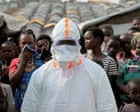
Ebola Outbreak Accelerates Across Democratic Republic of Congo
The Ebola outbreak unfolding in the Democratic Republic of the Congo represents one of the most rapidly expanding public health emergencies in recent history. Since authorities confirmed the initial cases in a single province nearly two months ago, the Ebola outbreak has accelerated dramatically, extending into multiple regions and overwhelming healthcare systems with unprecedented case numbers.
As of July 8th, government health officials documented 1,759 confirmed cases and 600 deaths directly attributed to the virus. The exponential growth trajectory demonstrates the severe challenges facing disease containment efforts across the nation. Beyond DRC borders, the Ebola outbreak has crossed into neighboring Uganda, where public health authorities have documented 20 confirmed cases with two fatalities recorded.
Factors Driving Rapid Disease Transmission
The accelerated spread of this Ebola outbreak stems from multiple interconnected crises affecting the region. Ongoing armed conflict has destabilized healthcare infrastructure and displaced populations, creating ideal conditions for viral transmission. Violence targeting medical facilities and health workers has compromised response capabilities, forcing treatment centers to operate under severe constraints.
Misinformation campaigns have significantly hampered containment strategies. False narratives about the virus's origins, transmission methods, and treatment options have circulated rapidly through communities, undermining public health messaging. Local populations expressing skepticism toward official guidance have demonstrated reluctance to seek medical treatment or follow prevention protocols, inadvertently facilitating further spread.
Impact of Resource Constraints on Response Efforts
International aid reductions have severely limited the capacity of health organizations to mount effective prevention and treatment campaigns. Budget cuts have resulted in insufficient supplies of personal protective equipment, testing materials, and therapeutic interventions. Healthcare workers operating without adequate resources face elevated personal risk while attempting to manage an overwhelming patient load.
Violence Against Healthcare Workers and Facilities
Targeted attacks on medical personnel and treatment centers have created an atmosphere of fear and instability within the health response community. Healthcare workers have faced physical threats and harassment, discouraging professional staff from continuing crucial work. Treatment facilities have been damaged or destroyed, eliminating critical infrastructure needed for patient isolation and care delivery.
Cross-Border Spread and Regional Implications
The emergence of confirmed cases in Uganda signals the Ebola outbreak's ability to transcend national boundaries despite containment efforts. Porous borders, population movement, and limited screening mechanisms at crossing points have enabled viral transmission into neighboring territories. This regional expansion raises alarm among health authorities across East Africa and demands coordinated international response mechanisms.
Challenges to Public Trust and Compliance
Community skepticism regarding official health guidance has emerged as a significant obstacle to outbreak control. Misinformation proliferation through social media and informal networks has created confusion about appropriate safety measures. Residents in affected areas have shown resistance to quarantine measures, vaccination programs, and isolation protocols that remain essential for breaking transmission chains.
Outlook and Response Priorities
Successfully controlling this Ebola outbreak requires addressing root causes beyond medical intervention alone. Conflict resolution initiatives are essential for stabilizing regions and protecting healthcare infrastructure. Increased international funding and resource mobilization must supplement local response capacity. Strategic communication campaigns countering misinformation and building community trust represent critical components of comprehensive outbreak management strategies.