
DR Congo Files International Court Case Against Rwanda Over Decades of Conflict
DR Congo has taken Rwanda to the International Court of Justice, accusing its neighbor of multiple violations stemming from conflicts that began after the 1994 genocide. Discover the latest developmen...
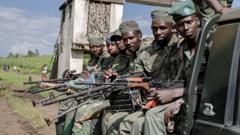
DR Congo Rwanda International Court Dispute Escalates
The Democratic Republic of Congo has formally initiated legal proceedings at the International Court of Justice against Rwanda, marking a significant diplomatic escalation in a rivalry that has plagued Central Africa for nearly three decades. This DR Congo Rwanda international court case represents one of the most substantial formal complaints lodged by Kinshasa regarding the conduct of its eastern neighbor since the catastrophic 1994 genocide that devastated the region.
Historical Context of the Conflict
The tensions between these two nations have deep roots extending back to the immediate aftermath of the 1994 Rwanda genocide. Following that humanitarian catastrophe, Rwanda has faced persistent accusations from the Democratic Republic of Congo regarding its military interventions and regional activities. The DR Congo Rwanda international court filing consolidates decades of grievances into a formal legal framework.
Specific Accusations Against Rwanda
Kinshasa's legal complaint encompasses an extensive list of alleged violations by Rwandan forces. These accusations include military incursions into Congolese territory, support for armed rebel groups operating within the Democratic Republic of Congo, and various breaches of international law dating back multiple decades. The charges are not limited to recent incidents but span from the immediate post-genocide period through the present day.
Military Interventions
According to Kinshasa's position, Rwanda has repeatedly crossed into Congolese airspace and territory under the guise of pursuing rebel elements. The DR Congo Rwanda international court case specifically details instances where Rwandan military units allegedly engaged in combat operations without formal authorization from Congolese authorities or international oversight bodies.
Support for Armed Groups
Another central component of the complaint involves Rwanda's alleged provision of military support, training, and resources to various rebel organizations operating within the Democratic Republic of Congo. These groups have allegedly committed atrocities against Congolese civilians and destabilized entire regions of the country.
International Court Proceedings
The International Court of Justice, located in The Hague, serves as the primary judicial body for disputes between sovereign nations under the United Nations framework. By bringing this case to the court, the Democratic Republic of Congo seeks formal international recognition of Rwanda's alleged violations and potential reparations for damages sustained over several decades.
The case will require both nations to present comprehensive evidence and legal arguments to support their respective positions. International law experts anticipate this proceedings will be complex and lengthy, given the historical nature of many allegations and the political sensitivity surrounding Rwanda-Congo relations.
Regional Implications
The DR Congo Rwanda international court dispute has broader implications for stability across Central Africa. Several neighboring nations, including Uganda, Burundi, and South Sudan, have experienced spillover effects from the Rwanda-Congo rivalry. The case may influence how regional military cooperation and border security arrangements are managed going forward.
Previous Diplomatic Efforts
Before resorting to international court proceedings, the Democratic Republic of Congo had attempted various diplomatic channels to address grievances with Rwanda. Bilateral discussions, mediation through the African Union, and engagement with United Nations bodies all proved insufficient to resolve the accumulated tensions between these neighboring states.
Evidence and Documentation
The Congolese government has compiled extensive documentation supporting its legal case against Rwanda. This includes military records, witness testimonies, satellite imagery, and reports from international human rights organizations that have investigated alleged violations within Congolese territory.
Rwanda's Expected Response
Rwanda is anticipated to contest the allegations, likely presenting its own version of events and counterarguments regarding the military operations in question. The Rwandan government maintains that its interventions have been necessary for national security and regional stability purposes.
Long-Term Outlook
The outcome of this DR Congo Rwanda international court case could reshape diplomatic relations between the two nations and potentially set precedents for how regional military conflicts are addressed through international legal mechanisms. Whether the court's decision will lead to meaningful reconciliation or further entrenchment of positions remains uncertain.