
Colombia's Criminal Violence Crisis Dominates 2024 Presidential Race
Colombia's internal conflict with armed gangs shapes the presidential election. A leftist senator proposes dialogue while a Trump-backed outsider offers tough security measures.
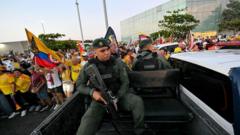
Colombia's Internal Conflict Takes Center Stage in Electoral Dispute
Colombia's internal conflict has emerged as the decisive factor defining the nation's upcoming presidential election, forcing candidates to present contrasting visions for addressing decades-long struggles with organized crime and armed gangs. The escalating violence that has characterized the country's political landscape now determines electoral strategies, with security and peace negotiations becoming central campaign themes that resonate deeply with voters across all demographics.
The Left-Wing Senator's Peace Negotiation Approach
A prominent left-wing senator has positioned himself as a peacemaker, advocating for direct negotiations and dialogue with the country's most powerful armed gangs and criminal organizations. This candidate believes that diplomatic channels, rather than military confrontation, represent the most viable path toward resolving Colombia's internal conflict. His platform emphasizes understanding root causes of gang activity, addressing poverty and inequality that fuel recruitment into criminal networks, and establishing sustainable peace agreements through deliberate conversation.
The senator's approach challenges traditional security-first policies that have dominated Colombian politics for decades. He argues that without engaging armed groups in meaningful dialogue, the cycle of violence will continue indefinitely, perpetuating the humanitarian crisis affecting millions of Colombians.
The Outsider Candidate and Trump Endorsement
Standing in stark contrast, an outsider candidate who has received explicit support and endorsement from former U.S. President Donald Trump represents a hardline security approach. This candidate advocates for aggressive military operations, zero-tolerance policies toward gangs, and enhanced law enforcement measures to combat organized crime. The Trump endorsement signals international backing for a tough-on-crime strategy that prioritizes immediate security improvements over long-term peace initiatives.
Security Concerns Dominating Voter Priorities
Polling data indicates that Colombian voters remain deeply concerned about personal safety, gang violence in urban neighborhoods, and the expansion of criminal organizations into previously secure territories. The escalating brutality associated with gang conflicts has created an atmosphere of fear that influences how citizens view candidate proposals. Communities devastated by violence seek immediate relief, making security a paramount electoral issue that transcends traditional left-right political divisions.
Competing Visions for Colombia's Future
The fundamental division between these two candidates reflects broader debates within Colombian society about how to address the internal conflict. The senator's emphasis on peace talks and social investment contrasts sharply with the outsider's focus on law enforcement and military strength. These competing visions represent two distinct philosophies about whether dialogue or force offers better solutions to gang violence and criminal expansion.
International Dimensions of the Election
The Trump endorsement adds an international dimension to Colombia's internal conflict discourse, bringing U.S. foreign policy considerations into the electoral equation. American strategic interests in the region, concerns about drug trafficking networks, and broader hemispheric security issues influence how international observers view the candidates. This external pressure complicates domestic conversations about authentically Colombian solutions to the country's challenges.
Economic and Social Ramifications
Colombia's internal conflict extends beyond immediate security concerns to affect economic development, foreign investment, and social stability. Gang violence disrupts commerce, deters tourism, and diverts government resources from education and healthcare initiatives. The presidential election therefore represents a critical juncture where voters must decide whether economic recovery depends primarily on security improvements or comprehensive social development programs that address underlying causes of gang recruitment.
The Path Forward for Colombian Democracy
As the election approaches, Colombia's internal conflict remains the dominant issue shaping political debate and voter preferences. Both candidates present credible arguments supported by different constituencies and international backers. The outcome will determine whether the nation pursues dialogue-based approaches or escalated enforcement strategies in confronting its persistent security challenges that have defined Colombian society for generations.