
Colombia Earthquake: 180 Dead as Rescuers Race Against Time for Survivors
Colombia earthquake death toll reaches 180 as rescue teams intensify efforts to locate survivors in collapsed buildings. Latest updates on recovery operations.
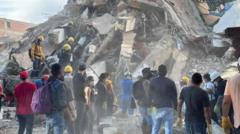
Colombia Earthquake: Massive Search and Rescue Operation Underway
A devastating Colombia earthquake has claimed approximately 180 lives, prompting an urgent and coordinated response from rescue teams working tirelessly to locate survivors trapped beneath debris and damaged structures. The disaster has triggered a major humanitarian crisis as emergency services mobilize resources across affected regions to extract people from collapsed buildings and unstable rubble piles.
Ongoing Aftershocks Complicate Rescue Efforts
On Tuesday, Colombia continued to experience a series of powerful aftershocks that have significantly hampered rescue operations. These secondary tremors pose additional dangers to both survivors and rescue personnel, creating unstable conditions that threaten to cause further structural collapses. Emergency coordinators have been forced to repeatedly pause extraction efforts to ensure the safety of workers navigating through hazardous environments.
The recurring seismic activity has made it increasingly difficult for rescue teams to predict building stability and plan their operations effectively. Each aftershock serves as a grim reminder of the ongoing geological instability affecting the region, necessitating heightened vigilance and swift decision-making from all personnel involved in the rescue mission.
Massive Mobilization of Emergency Resources
Government authorities have declared a state of emergency, deploying military units, firefighters, and specialized rescue personnel to the hardest-hit areas. Hundreds of rescue workers are operating around the clock in a race against time, knowing that survival chances for people trapped in rubble diminish with each passing hour. Heavy machinery, search dogs, and thermal imaging equipment have been brought in to enhance the likelihood of finding survivors.
The scale of the Colombia earthquake rescue operation is unprecedented in recent memory, with coordination centers established across multiple municipalities to direct resources where they are needed most. Volunteer organizations and civil society groups have mobilized to provide medical support, temporary shelter, and humanitarian assistance to displaced populations.
Building Damage Assessment and Safety Concerns
Preliminary assessments reveal extensive structural damage throughout affected urban and rural areas. Numerous residential buildings, commercial establishments, and public infrastructure have sustained severe damage, with some facilities rendered completely unusable. Engineers are conducting rapid safety evaluations to determine which structures can be accessed for rescue operations and which must be avoided due to imminent collapse risks.
The challenge of assessing building integrity while conducting rescue operations simultaneously has created complex logistical problems. Safety protocols must be strictly adhered to prevent additional casualties among rescue personnel, yet time is of the essence in locating and extracting survivors still alive beneath the rubble.
Survivor Extraction and Medical Response
Medical teams have established field hospitals and treatment centers to handle the wounded extracted from the disaster zone. Healthcare professionals are working beyond capacity to provide emergency care, surgery, and ongoing treatment for trauma victims. The psychological impact of the Colombia earthquake on survivors has also become an important consideration, with mental health professionals being mobilized to support traumatized individuals.
Rescue teams have successfully extracted numerous survivors throughout Tuesday, providing hope amid the tragedy. However, the number of missing persons remains distressingly high, and officials continue to urge families of the missing to provide information about loved ones' locations when the earthquake struck.
Communication and Public Information
Authorities have established multiple channels for public communication, including hotlines for reporting missing persons and updates on rescue progress. Social media platforms have become vital tools for coordinating rescue efforts and sharing information about shelter locations, medical facilities, and available assistance. Local and national media continue to provide comprehensive coverage of the unfolding situation.
International Support and Solidarity
The international community has responded with offers of assistance, including rescue teams, medical personnel, and financial aid. Neighboring countries have begun coordinating potential support, recognizing the magnitude of the disaster and the urgent humanitarian needs. This collaborative approach underscores the global commitment to assisting Colombia during this critical period.
Ongoing Challenges and Future Response
As the Colombia earthquake continues to present challenges through persistent aftershocks and unstable conditions, rescue operations are expected to continue for several more days. The focus remains on locating additional survivors, providing medical care, and beginning the long process of rebuilding and recovery. Authorities are also conducting geological assessments to understand the seismic event and predict future risks in the region.