
Churchill Portrait Exhibit Removed Amid Bengal Famine Controversy
National Portrait Gallery withdraws Churchill video installation after heated debate over historical claims regarding the Bengal famine and colonial legacy.
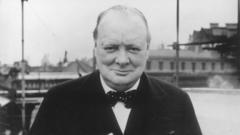
Portrait Gallery Removes Controversial Churchill Installation
The National Portrait Gallery has decided to withdraw a significant video installation from public display following an intense dispute centered on its characterization of Churchill's involvement in the Bengal famine. This decision marks a notable moment in ongoing discussions about how museums handle sensitive historical narratives and colonial-era figures.
The Churchill Bengal Famine Display and Its Claims
The exhibition featured multimedia content that examined Winston Churchill's historical legacy, with particular emphasis on the Bengal famine of 1943. The installation presented assertions regarding Churchill's role and responsibility during this catastrophic period, which claimed millions of lives across India. These specific claims about Churchill and his policies sparked considerable disagreement among historians, academics, and members of the public who visited the gallery.
Growing Controversy Over Historical Interpretation
The controversy surrounding this Churchill display reflects broader debates within the museum and heritage sectors about how to present complex historical figures and events. Museums face the delicate challenge of acknowledging different perspectives while maintaining scholarly accuracy. The National Portrait Gallery's decision to remove the installation suggests the institution felt the presentation required further review or reconsideration.
The Bengal famine remains a deeply contested historical topic, with various interpretations regarding Churchill's role, decision-making, and accountability. Some historians argue that his policies and priorities contributed significantly to the famine's severity, while others contend that multiple factors, including wartime conditions and administrative failures, shared responsibility for the tragedy.
Reactions and Impact on Museum Programming
This withdrawal has generated reactions from different constituencies including academic institutions, historical societies, and cultural commentators. Some view the removal as an opportunity to develop more nuanced presentations that better represent multiple scholarly perspectives on this challenging historical period. Others perceive it as an indication of pressure on cultural institutions to modify content addressing sensitive historical topics.
Museum Standards and Historical Representation
The incident underscores ongoing conversations about how museums should balance commemorative functions with critical historical examination. Institutions like the National Portrait Gallery must navigate expectations from diverse audiences while adhering to academic standards of historical accuracy. The decision to withdraw the Churchill exhibition may inform how other museums approach similar exhibitions involving contentious historical narratives.
Professional historical organizations and museum associations continue to develop guidelines for presenting complex historical figures and events in ways that educate viewers without oversimplifying complicated historical realities. The National Portrait Gallery's approach to resolving this situation may set precedents for similar decisions at other institutions.
Looking Forward: Museum Practice Evolution
This situation with the Churchill Bengal famine display suggests that museums are increasingly conscious of their responsibility to present historical information comprehensively and accurately. Future exhibitions may incorporate additional context, multiple expert perspectives, and clearer distinctions between historical evidence and interpretive claims. The National Portrait Gallery's decision reflects the evolving standards museums adopt when addressing Britain's complex colonial history and the legacies of prominent historical figures.