
Child Safety Measures in London High-Rise Flats Questioned at Inquest
Inquest reveals London flat where five-year-old fell from 15th-floor window lacked adequate safety measures. Family had previously requested relocation.
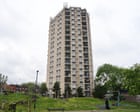
Tragic Fall Raises Questions About London Flat Safety Measures
An official inquest has revealed that a London flat where a young child died could have implemented additional safety precautions to prevent the tragedy. The proceedings have brought to light critical gaps in protective measures at high-rise residential properties, particularly those housing vulnerable families. London flat safety measures have become a focal point of discussion following this devastating incident, prompting authorities to reassess current guidelines for temporary social housing accommodations.
Details of the Incident
Aalim Ahmed, aged five, fell from a kitchen window on the 15th floor of a residential tower block located in Plaistow, east London, on May 16, 2024. The young boy, who had been diagnosed with autism, fell from the family's temporary accommodation early in the morning. His father, Makail Ahmed, was at home when the incident occurred and discovered his son shortly before 6 in the morning. The family had previously requested to be relocated from the property, citing safety concerns about their living situation in the high-rise building.
Family's Prior Relocation Request
Court documents presented during the inquest proceedings revealed that Aalim's family had made multiple attempts to secure alternative housing. The parents had formally requested to be moved out of the 15th-floor flat due to concerns about its suitability for their autistic son. Despite these requests, the family remained in the temporary accommodation at the time of the tragedy. This information has raised serious questions about the responsiveness of housing authorities to families with specific safety needs and vulnerable children.
Safety Gaps Identified During Proceedings
Expert testimony presented at the inquest indicated that the London flat lacked several standard safety features that could have prevented the fatal fall. Window restrictors, additional locks, and specialized safety equipment designed for homes housing autistic children were absent from the property. Witnesses explained that implementing such measures would have been feasible and cost-effective, yet they were not in place at the time of Aalim's death.
Expert Analysis on Prevention Measures
Safety specialists outlined during the inquest how a combination of protective devices could have significantly reduced the risk. These measures included window stops that prevent windows from opening beyond a certain width, specialized locks designed to be child-proof, and safety grilles or guards. The experts noted that families with autistic children often face unique challenges, as some individuals may have reduced awareness of danger or difficulty understanding the consequences of their actions. Implementing environment-specific safeguards is therefore essential in such circumstances.
Implications for Temporary Housing Standards
The inquest findings have prompted a broader examination of safety standards across London's temporary housing stock. Many families in precarious housing situations live in high-rise blocks without adequate protective measures. Social housing providers and local authorities are now under increased scrutiny to ensure that vulnerable residents, particularly those with dependent children and additional support needs, are housed in environments equipped with appropriate safety features.
Wider Context of Child Safety in High-Rise Buildings
This tragedy is part of a growing concern about child safety in multi-story residential buildings throughout London. Window falls remain a significant cause of preventable childhood injuries and deaths. Previous incidents have highlighted the need for mandatory safety standards in temporary accommodation, yet implementation has been inconsistent across different providers and local authorities.
Questions About Housing Authority Responsibility
The inquest raised critical questions about the housing authority's duty of care toward residents with identified vulnerability factors. When families explicitly request relocation due to safety concerns, proper assessment procedures should determine whether the current accommodation poses unacceptable risks. The failure to act on the Ahmed family's request is now under scrutiny as part of broader discussions about accountability in the housing sector.
Support Services and Risk Assessment
Evidence presented during proceedings indicated that adequate risk assessments had not been conducted to evaluate whether the property was suitable for housing a child with autism. Proper protocols would have identified the window hazard and led to recommendations for protective measures or alternative accommodation. The lack of appropriate risk assessment procedures represents a systemic failure in the housing provision process.
Moving Forward: Recommendations and Changes
In light of these findings, housing authorities, local councils, and social housing providers are being urged to implement comprehensive safety audits of existing temporary accommodation. This includes mandatory installation of window safety devices in properties housing families with young children or residents with support needs. Additional training for housing officers to recognize and respond to safety concerns raised by residents is also recommended.
The inquest into Aalim Ahmed's death has served as a catalyst for necessary discussions about improving safeguards in temporary housing across London. While these recommendations cannot undo the tragedy, they offer the possibility of preventing similar incidents in the future and ensuring that vulnerable families are prioritized in housing decisions and safety provisions.