
Channel 4 Documentary Sparks Major ADHD Charity Controversy
ADHD charity organization criticizes Channel 4's documentary over controversial claims. Media outlets debate the show's impact on ADHD awareness and public perception.
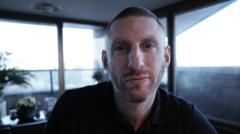
ADHD Charity Raises Concerns Over Channel 4's Documentary
An ADHD charity has publicly voiced its objections regarding Channel 4's recent documentary, citing concerns about the program's controversial approach to attention deficit hyperactivity disorder representation. The documentary has generated significant debate within media circles, with critics questioning the show's methodology and conclusions about ADHD diagnosis and treatment.
The ADHD charity controversy stems from disagreements over how the network presented information about this neurodevelopmental condition. Multiple publications have weighed in on the subject, with some describing the content as particularly contentious for the year.
Media Response to the Controversial Documentary
Press outlets have intensified their coverage of this ADHD charity complaint, recognizing the broader implications for how the disorder is portrayed in mainstream media. One major newspaper publication described Channel 4's documentary as representing one of the most debated television programs released during the broadcast season.
The documentary's approach has prompted numerous organizations focused on ADHD awareness to question the accuracy and balance of the presentation. These groups argue that such programming has the potential to influence public perception significantly, potentially affecting individuals diagnosed with or suspected of having ADHD.
Impact on ADHD Awareness and Public Understanding
The ADHD charity organization leading the complaint expressed alarm regarding potential misinformation reaching the general audience. Healthcare professionals and advocacy groups worry that documentary content lacking comprehensive scientific grounding could undermine years of educational efforts to destigmatize the condition.
ADHD awareness campaigns have long worked toward improving diagnosis rates and reducing stigma surrounding the disorder. Documentary programming that challenges established medical understanding poses challenges to these ongoing efforts, particularly when such content reaches prime-time television audiences.
Broader Implications for Documentary Journalism
This incident raises important questions about editorial responsibility when producing documentaries addressing medical and psychological topics. The ADHD charity controversy highlights the tension between creative freedom and accurate health information dissemination through television programming.
Channel 4's decision to air the program reflects ongoing debate within broadcasting about which perspectives should receive airtime when discussing conditions like ADHD. The documentary's framing of the disorder as potentially mythologized has struck many as particularly problematic given current scientific consensus.
Responses From Health and Medical Communities
Medical professionals specializing in neurodevelopmental disorders have contributed to discussions surrounding the ADHD charity complaint. Many experts emphasize that ADHD remains a well-documented neurobiological condition with established diagnostic criteria recognized internationally by healthcare systems.
The documentary's release has prompted renewed calls for more balanced television programming when addressing complex medical subjects. ADHD awareness initiatives continue to emphasize that such conditions deserve respectful, evidence-based treatment in all media formats, including documentary productions.
Moving Forward: Standards and Accountability
This controversy demonstrates the need for clearer guidelines governing how broadcasters approach documentary subjects related to health and medicine. The ADHD charity organization has called for greater consultation with established experts before production, suggesting that more collaborative approaches could prevent similar conflicts.
As discussions continue around the Channel 4 documentary, stakeholders remain focused on ensuring that public discourse surrounding ADHD remains grounded in scientific evidence. The incident serves as a reminder that media representation of health conditions carries significant responsibility, affecting how millions understand these complex disorders and the individuals living with them.