
Chancellor Warns Retailers Against Profiteering on Food and Fuel
John Healey alerts major retailers over potential profiteering risks as Iran tensions impact prices. Government monitoring closely for price gouging schemes.
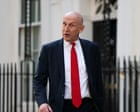
Government Stands Firm Against Profiteering Warning Retailers
The chancellor has issued a stern profiteering warning to retailers, emphasizing the government's commitment to protecting consumers from unfair price increases. John Healey made clear that authorities are actively monitoring the retail sector to ensure shoppers are not being "taken for a ride at the pump or the till" during the current crisis triggered by regional geopolitical tensions.
Monitoring for Price Gouging Amid Iran Tensions
In a recent statement, Healey acknowledged that while there has been "no significant evidence of so-called price gouging" during the ongoing emergency, the government remains vigilant. The profiteering warning reflects growing concerns that major retailers might exploit the current situation to artificially inflate prices at the checkout and fuel stations.
The chancellor emphasized that ministers are "watching closely" for any suspicious pricing patterns that could indicate coordinated profiteering activities. This proactive stance demonstrates the government's determination to safeguard household budgets during a period of economic uncertainty.
Rising Energy and Food Costs Fuel Consumer Concerns
The Iran conflict has created significant upward pressure on global energy markets, which directly impacts fuel prices and, subsequently, food costs. As transportation and production expenses increase, retailers face genuine cost pressures. However, the government wants to ensure that any price increases genuinely reflect these rising operational costs rather than represent an opportunity for excessive profiteering.
The chancellor's public warning serves as both a reminder and a deterrent to retailers who might consider exploiting the crisis for shareholder benefit at the expense of struggling households.
What the Profiteering Warning Means for Retailers
Major retail chains have received the message that the government is not passively observing market developments. The profiteering warning indicates that Healey and his team are prepared to take action if evidence of deliberate price gouging emerges. This could include potential interventions or regulatory measures designed to protect consumer interests.
Retailers understand that maintaining public trust during economic hardship is crucial for their long-term reputation and customer loyalty. The warning encourages them to balance legitimate cost recovery with social responsibility.
Government's Consumer Protection Strategy
The chancellor's approach combines transparency with firm oversight. By publicly stating that authorities are monitoring the situation, the government creates an environment where retailers know their pricing decisions are under scrutiny. This transparency is intended to discourage any temptation toward profiteering without requiring immediate enforcement action.
For consumers facing squeezed household incomes, this profiteering warning represents a commitment that their government is actively concerned with their welfare. The monitoring framework aims to ensure that any price increases can be justified by genuine cost pressures rather than opportunistic margin expansion.
Looking Ahead: Ongoing Market Surveillance
As the regional situation continues to develop, the government's monitoring of retail pricing will remain a priority. The profiteering warning from the chancellor sets expectations that retailers must operate fairly and transparently. Should evidence of genuine price gouging emerge, authorities have signaled their readiness to intervene in defense of consumer interests.
The balance between allowing businesses to recover costs and protecting vulnerable consumers during a crisis will remain a central focus of government policy in the coming weeks and months.