
Carney Denounces Trump's New Tariffs as Strategic Error Amid Failed Negotiations
Canada's leadership condemns Trump's tariffs as a miscalculation following collapsed trade talks, announcing retaliatory measures and accusing the US of initiating trade conflict.
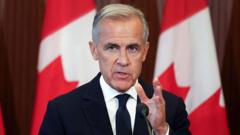
Carney's Tariffs Response Called a Strategic Miscalculation
Canadian leadership has characterized Trump's tariffs as a significant miscalculation that threatens bilateral commerce and regional stability. Following the breakdown of critical trade negotiations, government officials expressed deep concern over the escalating commercial tensions between the two nations.
The announcement of Trump's tariffs represents a watershed moment in recent North American economic relations. Policymakers responded by framing the situation as an unwelcome development that forces difficult decisions regarding protective measures for domestic industries and workers.
Reluctant Announcement of Retaliatory Measures
In a carefully worded statement, Canadian officials reluctantly unveiled their own tariffs package, emphasizing this response came only after exhaustive diplomatic efforts failed to produce agreement. The decision underscores mounting frustration with what government representatives describe as unilateral action by Washington.
The retaliatory tariffs targeting specific American goods reflect a measured but firm approach to defending Canadian commercial interests. Rather than pursuing an aggressive escalation strategy, officials presented their response as a necessary defensive action.
Accusations of Trade War Initiation
Government spokespersons directly attributed blame for initiating trade war dynamics to the United States administration. They maintained that Canada had consistently pursued dialogue and negotiated solutions before resorting to protective measures, emphasizing their preference for diplomatic resolution.
This positioning contrasts sharply with American narratives about fair trade practices. Canadian leadership argued that their nation has been unfairly targeted through policies that lack justification based on established trade frameworks and historical commercial patterns.
Context of Collapsed Trade Negotiations
The deterioration in negotiations represents a dramatic shift from earlier optimism about resolving disagreements through structured dialogue. Trade discussions, which had proceeded through established diplomatic channels, suddenly stalled as fundamental positions diverged on key issues.
Analysts suggest the breakdown reflects deeper structural tensions in bilateral relations beyond immediate tariff disputes. The inability to achieve compromise on core trade principles indicates growing complexity in resolving commercial differences between the neighbors.
Broader Implications for Regional Commerce
The escalating tariff situation threatens to disrupt supply chains and increase costs for consumers and businesses throughout North America. Economists warn that protectionist measures could slow economic growth and reduce competitiveness in global markets.
Companies operating across borders now face increased uncertainty regarding tariff schedules and potential additional restrictions. This environment complicates investment decisions and long-term planning for firms dependent on cross-border trade relationships.
Government Position on Trade Principles
Officials emphasized commitment to rules-based international trading systems while defending their retaliatory actions as consistent with established protocols. They argued that when faced with what they consider unfair practices, nations have legitimate rights to implement protective responses.
The government maintains that dialogue remains preferable and indicates openness to renewed negotiations if the United States modifies its approach. However, officials also signaled resolve to implement their tariff announcements if commercial discussions don't produce satisfactory outcomes.
This delicate balance between firmness and diplomatic openness reflects the complex position of balancing domestic political expectations with international commercial realities and the need to maintain longer-term relationships.