
Canned Cocktails: Britain's Booming Trend in Ready-Mixed Drinks
Discover why canned cocktails have become Britain's favorite beverage trend. From mojitos to margaritas, explore the rise of tinified drinks across the UK.
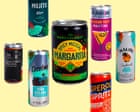
The Rise of Canned Cocktails in Modern Britain
Canned cocktails have transformed the British drinking landscape dramatically over the past four decades. What began with Marks & Spencer introducing canned gin and tonic forty years ago has blossomed into a nationwide phenomenon. Today, supermarkets and convenience shops stock an impressive array of pre-mixed mojitos, margaritas, negronis, and cosmopolitans. This shift represents a fundamental change in how consumers approach cocktail consumption, moving away from traditional bar culture toward portable, accessible alternatives.
The evolution of canned cocktails reflects broader changes in British leisure habits and consumer preferences. Unlike their alcopop counterparts from previous decades, which sparked considerable moral concerns, canned cocktails have achieved widespread social acceptance. This distinction stems partly from perception—the sophistication associated with classic cocktail names lends credibility to their tinified versions. As consumers increasingly seek convenience without sacrificing quality or style, canned cocktails have positioned themselves as the answer.
Convenience Meets Sophistication
The appeal of canned cocktails extends beyond mere convenience, though portability remains a significant factor. A personal account from a London commuter illustrates this perfectly: traveling across the city with warm cans of margarita, observing fellow passengers enjoying cosmopolitans from similar tins—a beverage historically associated with aspirational television culture. The discreet nature of these beverages proves particularly advantageous in situations where traditional drinking might seem inappropriate.
Jimmy McIntosh, a prominent London-based writer and social media personality, articulates this sentiment succinctly. He observes that cracking open a four-pack of standard lager on public transport carries certain social stigmas and perceptions of uncouthness. By contrast, sipping a canned cocktail projects an aura of refinement and civilized behavior. This psychological distinction has proven instrumental in normalizing canned cocktail consumption across various social settings and occasions.
Regulatory Context and Consumer Behavior
Interestingly, the regulatory environment has shaped consumption patterns significantly. Transport for London implemented a comprehensive ban on alcoholic beverages aboard public transportation services in 2008, coinciding with Britain's economic recession. The timing seemed counterintuitive—precisely when consumers might have sought accessible escape and relaxation. However, the regulation's enforcement has evolved considerably since implementation.
Modern commuters appear to regard the prohibition more as a flexible guideline than absolute prohibition. The compact size of canned cocktails facilitates easy concealment, allowing beverages to disappear discreetly into pockets or bags if necessary. This practicality, combined with the perception of sophistication, has contributed to the widespread adoption of canned cocktails among urban populations who frequently utilize public transportation.
Market Expansion and Accessibility
The commercial success of canned cocktails reflects genuine market demand rather than mere novelty appeal. Retailers ranging from premium supermarket chains to neighborhood corner shops now dedicate significant shelf space to these products. The variety available—encompassing classic cocktails, contemporary mixology creations, and emerging flavor combinations—demonstrates manufacturer responsiveness to diverse consumer preferences.
This expansion has democratized cocktail culture in unprecedented ways. Historically, enjoying properly crafted cocktails required visiting specialized establishments with professional bartenders. Canned cocktails eliminate such barriers, offering quality drink experiences at fraction of traditional bar prices. Working professionals, students, and casual drinkers can now access sophisticated cocktail flavor profiles without extensive knowledge of mixology or significant financial investment.
Social Perception and Cultural Shift
The stark contrast between canned cocktails and earlier alcopop controversies reveals important dimensions of social perception. Alcopops faced significant public health criticism and moral disapproval during their peak popularity. By comparison, canned cocktails have escaped similar vilification despite comparable alcohol content and accessibility. This difference likely stems from branding, naming conventions, and cultural associations with established cocktail traditions.
When consumers purchase a cosmopolitan or margarita in canned form, they're purchasing established cocktail heritage alongside convenient packaging. This association with sophisticated bartending tradition provides social legitimacy that generic alcopop categories lacked. The naming conventions themselves—referencing specific cocktails rather than suggestive flavors—contribute to more adult-oriented positioning.
Future Implications and Trends
The trajectory of canned cocktails suggests continued growth and market penetration. As production techniques improve and flavor profiles diversify, consumer acceptance will likely deepen further. Premium canned cocktail brands are emerging, targeting affluent demographics willing to pay substantially for perceived quality and authenticity.
The tinification of cocktails represents broader consumer trends toward convenience, portability, and the blurring of traditional boundaries between home consumption and away-from-home experiences. Urban lifestyles increasingly demand flexibility—the ability to enjoy quality beverages in various contexts. Canned cocktails fulfill this requirement elegantly, combining preparation convenience with authentic cocktail experiences.
Moving forward, the canned cocktail market will likely continue its impressive expansion across British retail channels. As social acceptance solidifies and distribution networks strengthen, these beverages may reshape how entire generations approach alcohol consumption, entertaining, and social occasions.