
Cancer Treatment Crisis: NHS England Faces 10,000-Patient Shortfall
NHS England struggles to meet March 2027 cancer treatment target. Exclusive report reveals 2,850 additional monthly treatments needed to reach 80% goal.
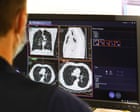
NHS England's Struggle with Cancer Treatment Targets
Healthcare leaders and medical experts have expressed serious concerns about NHS England's capacity to achieve its ambitious cancer treatment commitments. The latest analysis indicates that approximately 10,000 additional cancer patients will face delays in receiving timely treatment as the health service falls short of its predetermined goals. Current performance data shows the NHS England cancer treatment target remains elusive, with the organisation needing to dramatically increase its operational efficiency within a compressed timeframe.
The Gap Between Current Performance and Goals
The NHS established an interim benchmark requiring 80% of cancer patients to commence treatment within 62 days following an urgent referral or consultant recommendation by March 2027. However, recent monthly statistics paint a concerning picture of progress. In September, only 70.7% of eligible patients began their treatment within this critical window, representing a slight decline from the previous month's figure of 71.9%. This downward trend directly contradicts the upward trajectory needed to meet established objectives.
To bridge this performance gap, the NHS England cancer treatment target would require treating an additional 2,850 patients monthly within the 62-day window. This substantial requirement underscores the magnitude of the challenge facing England's health service and raises questions about resource allocation and strategic planning.
Analysis of Contributing Factors
Medical professionals and healthcare analysts attribute the current shortfall to multiple interconnected issues. Industry observers point to what they characterise as insufficient leadership prioritisation, insufficient financial resources allocated to cancer care pathways, and a lack of comprehensive strategic focus on this critical health area. The complexity of diagnosing and treating cancer, combined with growing patient numbers and limited specialist capacity, has created bottlenecks throughout the treatment referral and initiation process.
Resource Constraints and Staffing Challenges
A significant component of the NHS England cancer treatment target challenge relates to staffing limitations. Specialist oncology teams continue to operate under considerable pressure, with consultant availability and diagnostic imaging capacity emerging as key limiting factors. The recruitment and retention of experienced cancer specialists remains problematic, affecting the system's overall throughput and efficiency.
Patient Volume and Demographic Trends
The rising number of cancer referrals has outpaced the NHS's capacity for accelerated diagnosis and treatment initiation. Demographic changes and improved screening awareness have contributed to higher referral volumes, yet the infrastructure required to manage this increased demand has not expanded proportionally.
Implications for Patient Outcomes
The failure to meet the NHS England cancer treatment target carries substantial clinical consequences. Delays in initiating cancer treatment frequently correlate with more advanced disease stages at intervention, potentially affecting survival rates and long-term prognosis. The 10,000-patient shortfall represents not merely a statistical failure to meet bureaucratic targets, but rather real individuals whose treatment trajectories will be altered by these delays.
Medical research consistently demonstrates that timely cancer treatment initiation significantly influences treatment outcomes. Patients commencing therapy within 62 days of urgent referral typically experience better overall survival rates and quality-of-life measures compared to those with extended waiting periods. The projected delays therefore carry meaningful implications extending far beyond performance metrics.
Timeline and Future Outlook
With approximately 100 days remaining until the March 2027 deadline, the NHS faces an extraordinarily compressed period to implement corrective measures. Achieving the necessary acceleration would require not incremental improvements, but rather transformative changes to how cancer care is delivered across England's health system. Current trajectory suggests the NHS England cancer treatment target will be missed substantially unless dramatic intervention occurs.
Expert Assessment and Recommendations
Healthcare professionals have articulated concerns regarding what they describe as systemic leadership failures in cancer care management. Rather than viewing the target miss as an isolated occurrence, experts characterise it as symptomatic of broader structural issues within the health service. Recommendations centre on increased funding allocation specifically designated for cancer diagnostics and treatment capacity, expanded specialist recruitment programmes, and enhanced coordination between referring practitioners and treatment providers.
The path forward requires acknowledging that meeting future targets will demand not merely effort optimisation, but rather substantial investment and genuine strategic commitment to cancer care as a healthcare priority. Without such comprehensive intervention, the NHS England cancer treatment target will likely remain persistently unmet, with continuing consequences for patient populations requiring urgent oncological care.