
Budget 2026: Healey Raises Taxes on Banks to Fund £100 Aid
Chancellor John Healey increases bank and landlord taxes in Budget 2026, delivering £100 winter payments to 20 million households amid cost of living crisis.
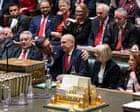
Chancellor Implements Budget 2026 Tax Strategy
In a significant fiscal maneuver during Budget 2026, Chancellor John Healey unveiled comprehensive tax measures targeting financial institutions and property owners to generate revenue for immediate household support. The Budget 2026 tax increases represent a strategic approach to addressing the prolonged cost of living pressures affecting millions of British families.
Healey's inaugural budget statement prioritized relief for struggling households while implementing new levies on sectors deemed capable of contributing more to the public purse. The announcement demonstrated the government's intention to balance fiscal responsibility with direct assistance to vulnerable populations facing sustained economic challenges.
£100 Winter Payment Allocation Across Nation
The most prominent relief measure announced involves distributing £100 payments to approximately 20 million households across the United Kingdom during the winter months. This direct financial assistance targets families most severely impacted by elevated energy costs and inflationary pressures that have persisted throughout recent years.
The winter payment scheme represents a tangible response to household energy consumption demands during colder months, when heating and utility expenses increase substantially. By directing funds to 20 million households, the government attempts to provide immediate respite from financial strain while pursuing longer-term economic stabilization strategies.
Bank Tax Increases and Financial Sector Contributions
A cornerstone of the Budget 2026 approach involves raising taxes specifically on banking institutions. Financial sector taxation has become increasingly central to government revenue strategies, particularly as banks maintain substantial profit margins despite broader economic difficulties.
The bank tax measures seek to redistribute wealth generated by financial services toward public expenditure programs. This approach reflects evolving policy perspectives regarding corporate taxation and the financial sector's societal obligations during periods of economic stress affecting consumers and businesses alike.
Landlord Tax Policy Within Budget Framework
Alongside banking sector measures, the chancellor implemented tax adjustments targeting landlords and property ownership structures. These measures address concerns about residential property market dynamics and rental affordability, which compound pressures on household budgets already strained by energy and living cost escalations.
The landlord taxation component recognizes residential property investment as a sector generating significant returns while housing stock availability and affordability remain pressing policy concerns. By increasing tax burdens on this sector, policymakers aim to encourage more efficient capital allocation while generating fiscal resources for direct household support programs.
Global Economic Context and Energy Price Pressures
During the Budget 2026 presentation, Healey attributed economic headwinds to international circumstances beyond immediate domestic control. The chancellor specifically referenced "global economic storms" affecting commodity markets, with particular emphasis on geopolitical tensions influencing energy supplies and pricing structures.
International developments, including Middle Eastern conflicts and supply chain disruptions, continue exerting upward pressure on oil and gas prices. These external factors perpetuate cost of living challenges that Budget 2026 measures attempt to mitigate through targeted household support and revenue generation mechanisms.
Cost of Living Crisis Continuation and Official Forecasts
Economic forecasts accompanying the Budget 2026 announcement provided limited optimism regarding near-term cost of living improvements. Official projections suggested sustained economic pressure on household finances, indicating that inflationary trends and energy market volatility would persist throughout the forthcoming fiscal period.
The grim economic outlook reflected in official forecasts underscored government urgency in implementing immediate relief measures. Rather than awaiting gradual market corrections or longer-term structural economic improvements, policymakers prioritized direct financial assistance to households facing immediate hardship.
Minimal Surprise Elements in Budget Announcement
The Budget 2026 presentation proceeded with relatively limited unexpected policy announcements, suggesting advance coordination with media and stakeholder groups regarding key measures. The chancellor's measured approach emphasized implementation of anticipated fiscal measures rather than dramatic policy departures or previously undisclosed initiatives.
This measured presentation style allowed stakeholders to analyze policy implications systematically without confronting entirely novel concepts. The familiarity of proposed measures—tax increases on financial institutions and landlords coupled with direct household payments—reflected established policy frameworks rather than radical fiscal restructuring.
Implementation Framework and Future Fiscal Outlook
The successful implementation of Budget 2026 measures requires coordination across multiple government departments and financial institutions. Revenue collection mechanisms for increased bank and landlord taxes must be established and administered efficiently to ensure funds reach intended beneficiaries through the winter payment scheme.
As economic conditions evolve and international circumstances continue influencing energy markets and inflation dynamics, the effectiveness of Budget 2026 interventions will become apparent. Ongoing monitoring of household financial circumstances and energy market developments will inform potential policy adjustments or supplementary measures should conditions deteriorate further.