
Birmingham Council Wins Interim Ban on Union Jack Flag Installations
Birmingham City Council obtains court order blocking Raise the Colours from placing union jacks on lamp-posts and council street furniture without authorization.
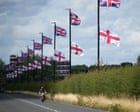
Court Issues Interim Injunction Against Flag Campaign Group
Birmingham City Council has successfully secured a temporary restraint against the installation of union jack flags on public street furniture following a legal dispute with activist organization Raise the Colours. The union jack flag ban represents a significant development in the ongoing controversy surrounding unauthorized flag placements on council-owned infrastructure throughout the city.
High Court Judge Emma Kelly delivered the interim injunction decision on Wednesday, formally prohibiting any placement of flags on municipal street furniture, including lamp-posts and roundabouts, without obtaining explicit prior authorization from the local authority. This legal measure represents an important precedent in managing public space and council assets within Birmingham's jurisdiction.
Details of the Court Decision
The interim injunction restricts the campaign group from mounting flags on all council-owned street furniture across Birmingham's municipal area. Judge Kelly's ruling establishes clear boundaries regarding what constitutes unauthorized use of public infrastructure. The decision came after Birmingham City Council initiated legal proceedings to challenge Raise the Colours' activities and protect council property from unsanctioned modifications.
The interim nature of this injunction indicates it remains in force until a full hearing determines whether permanent restrictions should be implemented. During this interim period, the union jack flag ban will remain enforceable, with potential legal consequences for any violations of the court order.
Background of the Dispute
Raise the Colours, the organization behind the flag installations, had been systematically placing union jacks on various council-owned street furniture throughout Birmingham. This activity prompted the local authority to seek legal remedies to prevent further placements and establish regulatory control over such actions. The council argued that unauthorized modifications to street furniture compromise the appearance of public spaces and represent an inappropriate use of municipal assets.
The campaign group's activities had generated considerable attention and debate within the community regarding the display of national symbols in public spaces. However, the fundamental legal issue centered on the unauthorized nature of the installations and the absence of permission from the council to use its property for such displays.
Implications for Public Infrastructure Management
This judgment establishes important precedent regarding how local authorities can protect their street furniture and public infrastructure from unauthorized modifications. Birmingham City Council's successful legal challenge demonstrates that councils possess effective legal mechanisms to enforce rules about the use of municipal property. The union jack flag ban specifically addresses the growing concern about maintaining consistent standards across public spaces.
The interim injunction may serve as a template for other councils facing similar challenges with campaign groups or individuals seeking to place items on street furniture without authorization. By securing this order through the high court, Birmingham has reinforced the principle that permission must precede any modifications to council-owned infrastructure.
Enforcement and Compliance
Judge Emma Kelly's order creates enforceable legal obligations binding on Raise the Colours and potentially anyone acting in concert with the organization. Violation of an interim injunction can result in serious legal consequences, including contempt of court proceedings. This enforcement mechanism ensures that the union jack flag ban carries real legal weight and consequences for non-compliance.
Birmingham City Council now has clear authority to remove any flags placed in violation of the court order and to pursue legal action against those responsible. The decision provides the council with both immediate protection and a framework for addressing future incidents involving unauthorized street furniture modifications.
Future Legal Proceedings
The interim injunction represents only the initial stage of legal proceedings. A full hearing will eventually determine whether this temporary ban should be converted into a permanent injunction. At that hearing, both Birmingham City Council and Raise the Colours will have opportunities to present comprehensive arguments regarding the broader issues of public space usage and campaign activities.
Until the full hearing concludes, the union jack flag ban remains in force, and all parties must comply with Judge Kelly's Wednesday decision. The outcome of subsequent proceedings may establish whether the restrictions become permanent or if modified arrangements can be negotiated that satisfy both the council's requirements for property protection and legitimate interests in public expression and campaigning.