
Bezos Investment Group's Liverpool Bid: What Changes for the Reds?
Explore how Bezos-led investment could reshape Liverpool FC's future, analyzing spending capacity and fan sentiment toward new ownership structure.
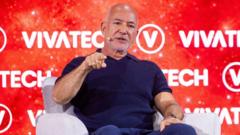
Bezos-Led Consortium Eyes Liverpool FC: Breaking Down the Investment Landscape
A potential Bezos Liverpool investment through a consortium partnership has emerged as one of the most significant developments in modern football ownership. The involvement of Amazon's founder Jeff Bezos and the possible conclusion of Fenway Sports Group's tenure at Liverpool FC represents a pivotal moment for the storied English club. However, experts suggest this transaction may not immediately revolutionize the Reds' competitive spending capacity despite the considerable financial resources involved.
Understanding the Financial Implications
While a Bezos-led investment would bring substantial capital resources to Anfield, the mechanics of the deal structure suggest limitations on immediate spending expansion. Analysts point out that new ownership acquisition costs, infrastructure investments, and legacy debt obligations would likely constrain the club's ability to dramatically increase transfer budgets in the near term.
The transition from FSG's ownership model to a new investment framework introduces complexity that extends beyond simple wealth transfer. Strategic investments typically require stabilization periods where incoming ownership assesses existing commitments, evaluates financial structures, and establishes sustainable spending protocols aligned with financial fair play regulations enforced across European football competitions.
Historical Patterns in Football Club Acquisitions
Previous Premier League ownership changes demonstrate that ownership transitions rarely produce immediate spending explosions. Manchester City's Abu Dhabi-backed investment, despite unprecedented financial resources, initially focused on infrastructure development and talent acquisition strategies that evolved gradually over multiple seasons. Similarly, Chelsea's Todd Boehly-led consortium reshaped spending patterns methodically rather than unleashing unrestricted purchasing power immediately upon takeover completion.
Fan Sentiment and Cultural Considerations
Liverpool supporters express mixed reactions to potential new ownership for Liverpool FC. While enthusiasm exists regarding increased investment potential, reservations persist concerning cultural alignment and long-term strategic vision. Fenway Sports Group's decade-plus tenure established distinctive operational philosophies emphasizing data-driven recruitment, financial prudence, and sustainable growth—principles that resonated with significant fan constituencies.
Incoming ownership would need to navigate expectations around operational continuity versus transformative change. Supporters value institutional knowledge embedded within existing management structures, recognition of the club's historical significance, and commitment to developing youth academy systems that have produced exceptional talent through systematic cultivation rather than expensive external acquisitions.
Regulatory Framework and Spending Constraints
Premier League financial regulations and UEFA Financial Fair Play requirements establish guardrails limiting spending regardless of ownership wealth. Profit and sustainability rules cap annual losses while ensuring clubs maintain solvent operations. These regulatory mechanisms prevent even extraordinarily well-capitalized owners from immediately transforming financial trajectories through unrestrained expenditure.
The Liverpool FC investment landscape operates within parameters establishing maximum permissible spending based on revenue generation, commercial partnerships, and stadium operations. A Bezos-backed consortium would undoubtedly enhance revenue streams through expanded global sponsorship opportunities and commercial partnerships leveraging Amazon's ecosystem, yet these benefits typically materialize gradually through contract renegotiation cycles and enhanced brand positioning rather than immediate windfall cash injections.
Commercial Expansion Possibilities
Where substantial opportunity genuinely exists involves commercial development and revenue optimization. Amazon's global marketing infrastructure and technological capabilities could enhance Liverpool's commercial operations significantly. Digital streaming rights negotiations, e-commerce integration with official merchandise platforms, and innovative fan engagement technologies represent areas where new ownership structure could create tangible advantages previously unavailable.
Technology infrastructure improvements represent another avenue for meaningful impact. Investment in advanced analytics platforms, recruitment technology systems, and performance monitoring capabilities could provide competitive advantages that effectively multiply available spending power through superior player identification and developmental optimization.
Timeline Expectations for Competitive Impact
Realistic assessments suggest that transformative competitive impacts from Bezos Liverpool ownership would unfold across multiple transfer windows rather than single seasons. Initial focus typically emphasizes organizational assessment, strategic planning development, and careful capital allocation rather than reactive spending to immediately address competitive shortfalls. Experienced ownership groups recognize that hastily assembled squads often underperform compared to methodically constructed rosters benefiting from coherent tactical frameworks and player compatibility.
Conclusion: Balancing Optimism with Realism
The potential Bezos investment in Liverpool represents genuinely significant development for the club's future trajectory, yet measured expectations regarding immediate spending transformation reflect realistic understanding of contemporary football economics. While new ownership would undoubtedly enhance financial capacity and global reach, regulatory constraints and prudent operational practices would likely preserve spending discipline that has characterized recent Liverpool success. The true measure of this investment's impact will emerge across seasons as new ownership establishes strategic direction, implements operational improvements, and systematically builds competitive advantage through combined financial resources and organizational excellence.