
BBC Correspondent Covers Tehran Funeral of Iran's Former Supreme Leader
BBC's chief international correspondent Lyse Doucet reports from Tehran on the funeral events honoring Iran's former supreme leader Ayatollah Ali Khamenei.
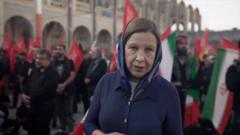
BBC Coverage of Tehran Funeral Proceedings
The BBC's chief international correspondent provides comprehensive coverage of the funeral events taking place in Iran's capital, where dignitaries and citizens gather to pay respects to the nation's former supreme leader, Ayatollah Ali Khamenei. This significant moment in Iranian politics draws global attention as the BBC documents the solemnity and political implications of the Tehran funeral ceremony.
On-the-Ground Reporting from Iran's Capital
Correspondent reporting directly from Tehran captures the emotional atmosphere surrounding the funeral proceedings. The BBC's presence at this pivotal event provides viewers with firsthand accounts of how the nation mourns and honors its former leadership. The atmosphere in the capital reflects the deep political significance of Ayatollah Ali Khamenei's legacy within Iranian society and regional geopolitics.
Political Significance of the Funeral Events
The funeral ceremonies represent more than ceremonial observance; they embody the complex relationship between emotion and political power in Iran. The BBC correspondent's reporting highlights how such events serve as pivotal moments for demonstrating unity, consolidating power, and reflecting on the nation's trajectory. The Tehran funeral becomes a lens through which to examine contemporary Iranian politics and the influence of religious leadership on state affairs.
International Perspective on Iranian Leadership
As the BBC's chief international correspondent covers these funeral events, the reporting brings global context to understanding Iran's political landscape. The presence of international media documenting the proceedings underscores the worldwide interest in developments within Iran. Ayatollah Ali Khamenei's tenure and legacy continue to shape regional dynamics, making the Tehran funeral a significant moment for international observers monitoring Middle Eastern affairs.
Emotional Dimensions of National Mourning
The BBC correspondent's reporting emphasizes the emotional dimensions of the funeral ceremony, moving beyond standard political analysis. The interplay between personal grief, national identity, and political symbolism becomes evident through detailed reporting from the ground. These funeral events reveal how societies process loss while simultaneously engaging in political discourse and succession planning.
Role of Media in Documenting Historic Events
The BBC's comprehensive coverage of the Tehran funeral demonstrates the critical role international journalism plays in documenting significant political and cultural moments. By placing a seasoned correspondent at the center of these events, the BBC ensures accurate, balanced reporting of how Iran honors its former leader. The funeral events serve as important historical documentation for understanding Iran's political evolution and the enduring influence of its supreme leadership.
Broader Implications for Iranian Politics
Beyond the immediate ceremonies, the funeral events carry implications for Iran's political future and regional influence. The BBC correspondent's reporting contextualizes these developments within the broader framework of Iranian governance and succession. As the nation gathers in Tehran for these funeral proceedings, questions of leadership continuity and political direction come into sharp focus, making the correspondent's insights invaluable for international audiences seeking to understand Iran's trajectory.