
Banksy Artworks Costing Taxpayers Nearly £150,000
FOI requests reveal Banksy artworks have cost taxpayers almost £150,000 in public funds. Expenses continue to rise as maintenance and removal costs accumulate.
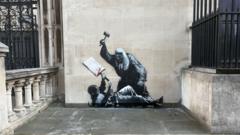
Banksy Artworks Cost Public Nearly £150,000 in Unexpected Expenses
Recent freedom of information requests have uncovered that Banksy artworks have cost taxpayers almost £150,000, representing a significant financial burden on public coffers. This substantial sum encompasses various expenditures related to the preservation, documentation, and removal of the controversial street artist's work across multiple locations.
Understanding the Financial Impact
The revelation that Banksy artworks consume considerable public resources has sparked debate about urban art policy and budget allocation. Authorities have incurred these costs through different channels, including professional documentation of pieces before removal, security measures to protect valuable works, and restoration efforts in certain cases.
Rising Costs and Ongoing Expenses
What makes this situation particularly pressing is that the costs are not static. Banksy artworks continue to generate expenses as new pieces appear and existing works require attention. The financial trajectory suggests that expenditures will continue climbing, adding to the strain on local government budgets already stretched across multiple priorities.
Maintenance and Preservation Challenges
Maintaining these high-profile artworks presents unique challenges. Some pieces deteriorate due to weather conditions or vandalism, necessitating restoration work. Others require protective measures to prevent theft or further damage. These ongoing maintenance requirements ensure that the financial commitment remains substantial year after year.
Removal and Cleanup Operations
When local authorities decide to remove Banksy artworks, the process is costly and complex. Professional contractors must be hired to safely extract pieces from walls and buildings without causing structural damage. Subsequent site restoration adds to the overall expense, with bills mounting quickly for comprehensive removal operations.
The Broader Perspective on Public Art Spending
The £150,000 expenditure on Banksy artworks raises important questions about how public money should be allocated for street art management. While some view these pieces as valuable cultural contributions worthy of preservation and investment, others argue that limited municipal budgets could be better deployed to essential services.
Community and Cultural Considerations
Several communities have embraced Banksy artworks as legitimate cultural assets that enhance neighborhood identity and attract tourism. In these areas, authorities have chosen to protect and celebrate the pieces rather than remove them, though protection measures still require funding and ongoing maintenance commitment.
Removal and Erasure Philosophy
Conversely, some municipalities have prioritized removal of Banksy artworks, viewing them as unauthorized property modifications. The expense of systematic removal campaigns has contributed significantly to the overall costs borne by taxpayers.
Financial Breakdown and Cost Categories
The nearly £150,000 figure covers multiple expense categories. Security installations, professional photography and documentation, expert assessment of pieces, removal labor costs, and site restoration all contribute to the final sum. Some Banksy artworks require specialized expertise to remove safely, elevating per-piece expenses considerably.
Future Outlook and Cost Projections
Officials acknowledge that Banksy artworks will continue generating public expenses. As the artist remains active and prolific, new works regularly appear in urban environments, each potentially requiring the same cycle of assessment, decision-making, and financial outlay that existing pieces have demanded.
The situation underscores the complex relationship between unauthorized street art and municipal administration. While Banksy's international fame has made his work culturally significant, the practical reality remains that Banksy artworks impose real financial costs on taxpayers and local authorities. Understanding these expenditures is essential for informed debate about public art policy and responsible budget management in contemporary cities.