
Badenoch Faces Speaker Rebuke Over Harsh PMQs Language
Labour MPs condemn Kemi Badenoch's inflammatory language during PMQs. Speaker Lindsay Hoyle reprimands Tory leader for personal attacks on education secretary.
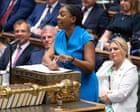
Badenoch Reprimanded During Heated Parliamentary Exchange
A contentious parliamentary session unfolded on Wednesday when Conservative leader Kemi Badenoch faced an extraordinary rebuke from Speaker Lindsay Hoyle during Prime Minister's Questions. The Kemi Badenoch PMQs encounter became notably heated as she directed pointed criticism toward government officials, prompting rare intervention from the chair of the House of Commons.
The intensity of the exchange highlighted the deepening divisions between opposition and government benches, with Badenoch delivering personal criticism that drew immediate concern from parliamentary authorities. Speaker Hoyle's intervention represented an unusual moment in parliamentary proceedings, signaling that language and tone had crossed established boundaries of acceptable discourse within the chamber.
Inflammatory Comments Target Education Secretary
During the heated exchange, Badenoch directed a particularly pointed attack at Education Secretary Bridget Phillipson, describing her as a "spiteful class warrior." This characterization went beyond typical political disagreement, crossing into personal territory that prompted concern from Labour benches and the Speaker alike.
Labour Members of Parliament responded with visible displeasure to Badenoch's choice of language, viewing the remarks as unnecessarily inflammatory and departing from conventional parliamentary standards. The criticism of Phillipson appeared designed to provoke, introducing elements of personal judgment rather than policy-focused debate that typically defines Prime Minister's Questions sessions.
The Broader Context of Parliamentary Tension
The fractious nature of this particular PMQs session reflected broader tensions within Parliament. Badenoch's comments extended beyond immediate criticism of individual ministers to encompass sweeping characterizations of the broader government position and leadership.
Dramatic Metaphor Escalates Rhetoric
Perhaps most notably, Badenoch employed a dramatic metaphor suggesting that Prime Minister Keir Starmer had been betrayed, stating he had "400 knives stuck in his back." This vivid and violent imagery represented an escalation in parliamentary rhetoric, moving significantly beyond standard political commentary into territory that the Speaker evidently deemed inappropriate for the chamber.
The metaphorical language, while potentially reflecting genuine political frustration or strategic positioning, crossed thresholds that prompted official action. Such imagery typically represents attempts to convey a message of deep betrayal or institutional dysfunction, messages that parliamentary tradition encourages expressing through measured language rather than dramatic comparisons.
Speaker's Intervention Sets Important Precedent
Lindsay Hoyle's decision to chastise Badenoch in the chamber represented a significant moment in parliamentary affairs. Speakers traditionally intervene when language becomes abusive, disrespectful, or disruptive to chamber proceedings, but such reprimands remain relatively infrequent occurrences. The Speaker's intervention suggested that Badenoch's remarks had genuinely exceeded acceptable boundaries.
This rare rebuke underscored the importance parliamentary authorities place on maintaining decorum and respectful discourse, even amid fierce political disagreement. The incident serves as a reminder that while vigorous opposition and pointed criticism form essential components of parliamentary democracy, certain boundaries regarding personal attacks and inflammatory language remain firmly in place.
Labour Response to Controversial Remarks
Labour Members of Parliament voiced their concerns following Badenoch's comments, indicating that colleagues across the government benches viewed the language as inappropriate and counterproductive to constructive parliamentary debate. Their criticism extended beyond momentary reaction, suggesting broader concern about the direction of parliamentary discourse.
The Labour response highlighted their view that effective political opposition should challenge policies and government performance without resorting to personal invective or dramatic characterizations. This perspective reflects traditional parliamentary values emphasizing that the strongest political arguments require substantive content rather than inflammatory language.
Implications for Parliamentary Standards
The incident raises important questions about the state of parliamentary discourse and the standards governing interaction between government and opposition. While heated debate represents a normal and necessary feature of parliamentary democracy, the Speaker's intervention suggests concerns about whether certain standards are being maintained.
Moving forward, the episode may influence how parliamentary leaders approach their rhetoric and questioning strategy during future PMQs sessions. It serves as a concrete reminder that parliamentary tradition, while permitting vigorous debate, ultimately depends on respect for certain conventions and boundaries designed to maintain the institution's integrity and effectiveness.