
AI Detects Heart Disease in Women Through Mammograms
Artificial intelligence can identify cardiovascular problems in women using routine mammogram scans, offering dual screening benefits for cancer and heart disease detection.
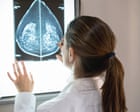
Revolutionary AI Technology Identifies Hidden Heart Disease in Routine Breast Scans
Artificial intelligence has emerged as a powerful tool in modern medicine, and a groundbreaking discovery demonstrates that AI detects heart disease in women through standard mammogram imaging. Medical professionals worldwide have recognized that this innovative approach could transform how women receive preventive care, combining cancer detection with cardiovascular health assessment in a single screening procedure.
The significance of this advancement cannot be overstated, as cardiovascular disease remains the leading cause of mortality among women globally. Despite this alarming statistic, heart conditions in women frequently go undetected until they reach critical stages. By leveraging artificial intelligence technology to analyze mammographic images, researchers have opened a new frontier in early disease detection that addresses both breast cancer and heart disease simultaneously.
How the AI System Works
The research team employed sophisticated machine learning algorithms to examine routine mammograms with unprecedented precision. These AI systems were trained to recognize subtle patterns and indicators within breast imaging that correlate with cardiovascular health conditions. The artificial intelligence methodology enabled researchers to identify women presenting with coronary heart disease, hypertension, and previous stroke events—all conditions that typically require separate, specialized screenings.
This dual-purpose approach to mammography represents a significant efficiency gain in healthcare delivery. Rather than requiring women to undergo multiple imaging procedures to assess different health concerns, the integration of AI analysis into existing breast cancer screening protocols provides comprehensive cardiovascular assessment alongside traditional oncological evaluation.
Clinical Implications and Research Findings
The research demonstrates that when AI detects heart disease markers within mammographic data, it does so with notable accuracy. Women identified as having cardiovascular risk factors through AI analysis of their mammograms showed confirmable evidence of coronary artery disease, elevated blood pressure readings, or documented history of cerebrovascular events.
These findings suggest that mammography serves a previously untapped diagnostic function beyond cancer detection. Radiologists and cardiologists increasingly recognize that breast tissue imaging captures valuable information about systemic vascular health. The presence of coronary calcification, arterial stiffness indicators, and other cardiovascular markers visible in mammographic imaging can now be systematically identified through artificial intelligence analysis.
Transforming Women's Healthcare Screening Protocols
The medical community anticipates significant implications for how women receive preventive health screenings. By implementing AI analysis into existing mammography programs, healthcare systems could identify millions of women at risk for cardiovascular complications without requiring additional imaging procedures, reduced costs, or extended screening appointments.
This advancement addresses a critical gap in women's healthcare, particularly regarding heart disease underdiagnosis. Women often experience atypical symptoms of cardiac events compared to men, leading to delayed diagnosis and treatment. Implementing systematic AI screening through routine mammograms could identify high-risk women before symptoms manifest, enabling early intervention and preventive treatment strategies.
The Role of Machine Learning in Medical Imaging
Artificial intelligence technology continues to revolutionize medical diagnostics across multiple specialties. The application of machine learning to mammographic analysis represents one of the most promising developments in preventive medicine. These systems process imaging data at scales and speeds impossible for human radiologists alone, identifying patterns invisible to the naked eye.
The algorithms underlying this technology have been developed through analysis of thousands of mammographic images correlated with patient health outcomes. This extensive training data enables the AI system to recognize the relationship between mammographic features and cardiovascular disease presence with increasing accuracy. As these systems process additional cases, their diagnostic capabilities continue improving through continuous learning mechanisms.
Future Applications and Expansion Potential
Medical experts envision expanding this approach beyond mammography alone. Similar AI analysis principles could be applied to other routine imaging procedures, creating comprehensive health screening ecosystems. The success of AI in detecting heart disease through mammograms establishes a proof-of-concept that could revolutionize preventive medicine broadly.
Healthcare institutions worldwide are examining how to integrate these AI capabilities into existing clinical workflows. The challenge moving forward involves standardizing protocols, ensuring regulatory approval across different jurisdictions, and training radiologists to interpret AI-generated cardiovascular assessments.
Addressing Healthcare Disparities in Heart Disease Detection
Women from underrepresented populations historically receive less frequent cardiac screening than their counterparts. The integration of AI detection into routine mammography could help bridge these healthcare equity gaps. By making cardiovascular assessment automatic and integrated within existing cancer screening programs, previously undiagnosed women might receive earlier interventions.
This democratization of advanced diagnostic technology represents a significant opportunity to improve health outcomes across diverse populations. When AI detects heart disease through standard screening procedures available across socioeconomic levels, the potential impact on public health becomes substantial and far-reaching.