
Afghan Women Face Unrecognisable Lives Under Taliban Rule After Five Years
Afghan women describe devastating changes under five years of Taliban rule, including public floggings, job losses, and healthcare barriers that threaten their lives.
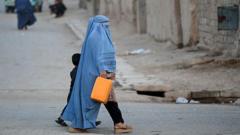
Women Across Afghanistan Report Severe Restrictions Under Taliban Governance
Five years into Taliban rule in Afghanistan, the situation for women across the nation has become increasingly dire, with reports of profound changes that have made their daily existence unrecognisable compared to previous decades. Afghan women describe experiencing systematic restrictions, including public floggings, widespread job loss, and dangerous barriers to essential healthcare services that continue to jeopardise countless lives throughout the country.
The impact of Taliban rule in Afghanistan extends far beyond theoretical policy changes, manifesting in tangible hardships that affect millions of women and girls. Women from various provinces and socioeconomic backgrounds have shared their personal accounts of transformation, painting a picture of a society where fundamental freedoms have been severely constrained.
Public Corporal Punishment and Social Degradation
Among the most visible forms of enforcement under the current Taliban administration are public floggings, which have become a regular occurrence in many communities. These punishments, often administered in public spaces, serve as both disciplinary measures and intimidation tactics designed to reinforce strict interpretations of religious law. Women report witnessing and experiencing these punishments firsthand, with accounts describing the physical and psychological trauma resulting from such public humiliation.
The systematic nature of these penalties reflects a broader ideology that prioritises control and compliance over individual dignity. Communities have become accustomed to witnessing these scenes, yet the psychological impact on the female population remains severe and widespread.
Mass Job Losses and Economic Vulnerability
Employment opportunities for women have virtually disappeared across Afghanistan since Taliban rule was consolidated. Women who previously worked as teachers, healthcare professionals, government employees, and in various private sector positions have been systematically excluded from their professions. This mass displacement from the workforce has created unprecedented economic vulnerability for millions of households that relied on female income earners.
The elimination of women's employment has cascading effects throughout families and communities. Single mothers, widows, and women without male income sources face extreme poverty, forcing many into desperate circumstances. Educational institutions and healthcare facilities have suffered tremendously from the loss of female professionals who are now prohibited from working.
Healthcare Access Crisis Threatening Lives
One of the most critical consequences of Taliban rule in Afghanistan has been the severe deterioration of healthcare services available to women. Restrictions on female patients seeking treatment, limitations on which male healthcare providers can examine women, and the widespread absence of female medical professionals have created dangerous barriers to essential care.
Pregnant women face particular vulnerability, with maternal mortality rates climbing as prenatal and childbirth care becomes increasingly inaccessible. Women suffering from chronic illnesses, injuries, and reproductive health emergencies frequently delay or forgo treatment due to religious restrictions that prevent male doctors from examining them. This has resulted in preventable deaths and long-term health complications affecting the female population.
Medical facilities across the country report critical shortages of female healthcare workers, as women physicians, nurses, and midwives have been forced to abandon their positions. The loss of these professionals has created a healthcare system that is both understaffed and unable to provide appropriate care to female patients who require same-gender medical attention.
Broader Implications for Afghan Society
The cumulative effect of these restrictions under Taliban rule in Afghanistan represents a comprehensive dismantling of women's participation in society. Beyond the immediate physical hardships, women describe losing access to education, freedom of movement, and basic decision-making authority within their own lives. Girls have been denied secondary education, effectively eliminating opportunities for an entire generation to develop skills and pursue independent futures.
International humanitarian organisations continue documenting the deteriorating conditions, though access for independent observers remains limited. The restrictions on women's rights represent a reversal of progress achieved over the past two decades and signal a return to policies that marginalise more than half of Afghanistan's population from meaningful participation in society.
As conditions persist, women across Afghanistan navigate daily challenges with remarkable resilience, yet the structural barriers to improvement remain formidable. The international community faces complex questions about how to support Afghan women while respecting the geopolitical realities on the ground.