
90-Second Power Outage Causes Major Disruption for Rail Commuters
A brief 90-second power outage created significant chaos for rail commuters, raising concerns about infrastructure resilience. Learn what happened and why.
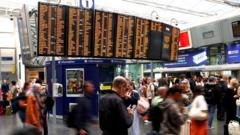
Widespread Disruption From Brief Power Loss
A power outage lasting just 90 seconds triggered widespread chaos across the rail network, affecting thousands of commuters during peak travel hours. This relatively brief power outage rail commuters incident has sparked renewed debate about the fragility of modern transportation infrastructure and the need for improved backup systems to prevent similar occurrences.
The disruption demonstrated how vulnerable rail systems can be to even momentary electrical failures. When power was restored after the 90-second period, significant delays cascaded throughout the network, creating bottlenecks at major stations and leaving commuters stranded or severely delayed in their journeys. The incident raises critical questions about contingency planning and system redundancy in transit operations.
Understanding the Scale of the Impact
The rail infrastructure disruption affected multiple lines simultaneously, with service interruptions extending well beyond the initial power loss. Commuters experienced delays ranging from 30 minutes to over two hours, depending on their location within the network and the specific line they were traveling on. The chaotic aftermath highlighted how interconnected rail systems amplify the effects of even brief operational failures.
Immediate Consequences for Travelers
Thousands of passengers were left waiting at platforms with no clear information about service resumption timelines. The communication breakdown between rail operators and stranded commuters intensified frustration, with many unable to reach customer service hotlines overwhelmed with inquiry calls. This rail service failure demonstrated not only technical vulnerabilities but also gaps in crisis communication protocols.
Broader Network Effects
The disruption created a ripple effect throughout the transportation system. Alternative transportation services became overwhelmed as commuters sought substitute routes. Traffic congestion increased significantly on major roads as rail users switched to cars, further straining urban mobility infrastructure and creating additional delays across multiple transport modes.
Why Such Brief Outages Cause Lasting Damage
Rail systems operate on extremely tight schedules with minimal buffer time between services. A commuter transportation crisis of this magnitude stems from the fact that recovery from power loss involves complex sequential processes. Signal systems must be reset, train positioning must be verified, and safety protocols must be confirmed before service can resume, all of which require time.
The power supply vulnerability exposed by this incident extends to the broader challenge of protecting critical infrastructure against disruptions. Rail operators worldwide face similar risks, as electrical systems supporting train networks depend on interconnected power grids that can themselves experience cascading failures.
Infrastructure Resilience Questions
Transport authorities must now address fundamental questions about system redundancy. Why do such brief interruptions create hours-long disruptions? The answer lies partly in how modern rail systems have been optimized for efficiency rather than resilience. Many networks lack adequate backup power systems or alternative routing capabilities that could minimize the impact of primary system failures.
Investment in infrastructure improvements could include backup generator systems at critical junctions, redundant power supply routes, and enhanced automated failover mechanisms. These solutions require significant capital expenditure but could substantially reduce the impact of future power supply interruptions on commuter services.
Learning from the Incident
This power outage rail commuters event serves as a wake-up call for transit authorities globally. The incident underscores the need for comprehensive risk assessments and proactive infrastructure upgrades. Transport planners are now reviewing their vulnerability assessments and considering whether current contingency plans adequately address power disruption scenarios.
Operators must balance the costs of enhanced redundancy with the operational realities of maintaining complex rail networks. However, the substantial economic and social costs of even brief disruptions suggest that investment in resilience measures represents sound long-term planning rather than unnecessary expense.
Future Prevention Strategies
Several technical solutions could mitigate the risk of similar incidents. Improved monitoring systems could detect power anomalies before they cascade into full service failures. Real-time communication systems could provide commuters with accurate information during disruptions, reducing panic and enabling better alternative route planning.
Transit agencies are also exploring increased automation in recovery procedures, which could reduce the time required to resume service after power restoration. Training programs for staff handling crisis situations can further improve response effectiveness during future disruptions.
Conclusion
The 90-second power outage demonstrated that rail infrastructure disruption can stem from remarkably brief technical failures but create disproportionately lengthy service interruptions. As cities expand their reliance on rail transportation, ensuring system resilience becomes increasingly critical. Investment in robust backup systems, enhanced monitoring capabilities, and improved communication protocols represents essential infrastructure spending that directly impacts the reliability of urban transportation networks serving millions of commuters daily.