
34 Candidates Challenge Nigel Farage in Clacton By-Election
The Clacton by-election sees 34 candidates competing against Nigel Farage, including 20 independents and several unconventional campaigners.
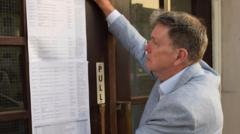
Clacton By-Election Draws Record Number of Contenders
The Clacton by-election has generated unprecedented interest as 34 candidates have officially registered to challenge prominent political figure Nigel Farage for the parliamentary seat. This remarkable turnout reflects the significant attention surrounding the race and demonstrates the diverse range of individuals seeking to compete in this high-profile electoral contest.
Candidate Composition and Independent Representation
Among the 34 candidates vying for the Clacton by-election position, 20 are independents who have chosen to stand outside traditional party structures. This substantial number of independent candidates underscores growing sentiment among potential representatives who wish to run campaigns based on local issues and personal platforms rather than party allegiances. The independent representation demonstrates a shift in political engagement patterns within the constituency.
Diverse Campaign Strategies and Candidate Types
The candidate field encompasses not only serious political contenders but also includes several candidates running with unconventional platforms and humorous messaging. These joke candidates, as they are commonly referred to in electoral contexts, represent a longstanding British tradition of satirical and novelty candidacies that add color to the electoral process. While some prioritize substantive policy discussions, others use their campaigns to highlight specific local grievances or social commentary.
Understanding the Electoral Landscape
The decision by 34 candidates to contest the Clacton by-election reflects the competitive nature of modern British politics and the accessibility of the electoral process. Each candidate brings their own vision and priorities to the race, ranging from mainstream political objectives to localized community concerns. The diversity of this candidate pool provides voters with an exceptionally wide range of choices when they head to the polls.
Party Representation in the Contest
Beyond the significant independent representation, traditional political parties have also fielded their official candidates to compete in the Clacton by-election. The combined participation of both established party candidates and independent hopefuls creates a comprehensive electoral contest that allows constituents to evaluate multiple perspectives and policy approaches. This political diversity enriches the democratic process and ensures voters have meaningful options.
The Significance of Such High Participation
The record number of 34 candidates participating in the Clacton by-election highlights the constituency's importance within the broader political landscape. When such substantial numbers of candidates choose to run, it typically indicates either significant local issues requiring attention or the prominence of the seat itself. The by-election has captured attention across multiple political movements and independent activists alike.
Voter Choice and Democratic Engagement
With 34 candidates on the ballot, Clacton voters will face an unusually comprehensive selection when making their electoral choice. This abundance of options reflects democratic principles and provides constituents with genuine alternatives across the political spectrum. The expanded field ensures that various political philosophies and local perspectives are represented in the Clacton by-election campaign.
Conclusion
The Clacton by-election's 34-candidate field represents a significant moment in contemporary British electoral politics. Whether serious policy advocates or novelty campaigners, each participant contributes to the democratic discourse surrounding this important parliamentary seat. The race promises to be distinctive and engaging, offering voters a truly diverse selection of candidates from which to choose their representative.